Therapeutic gardens or healing gardens and mental health. April 2025. Under construction.
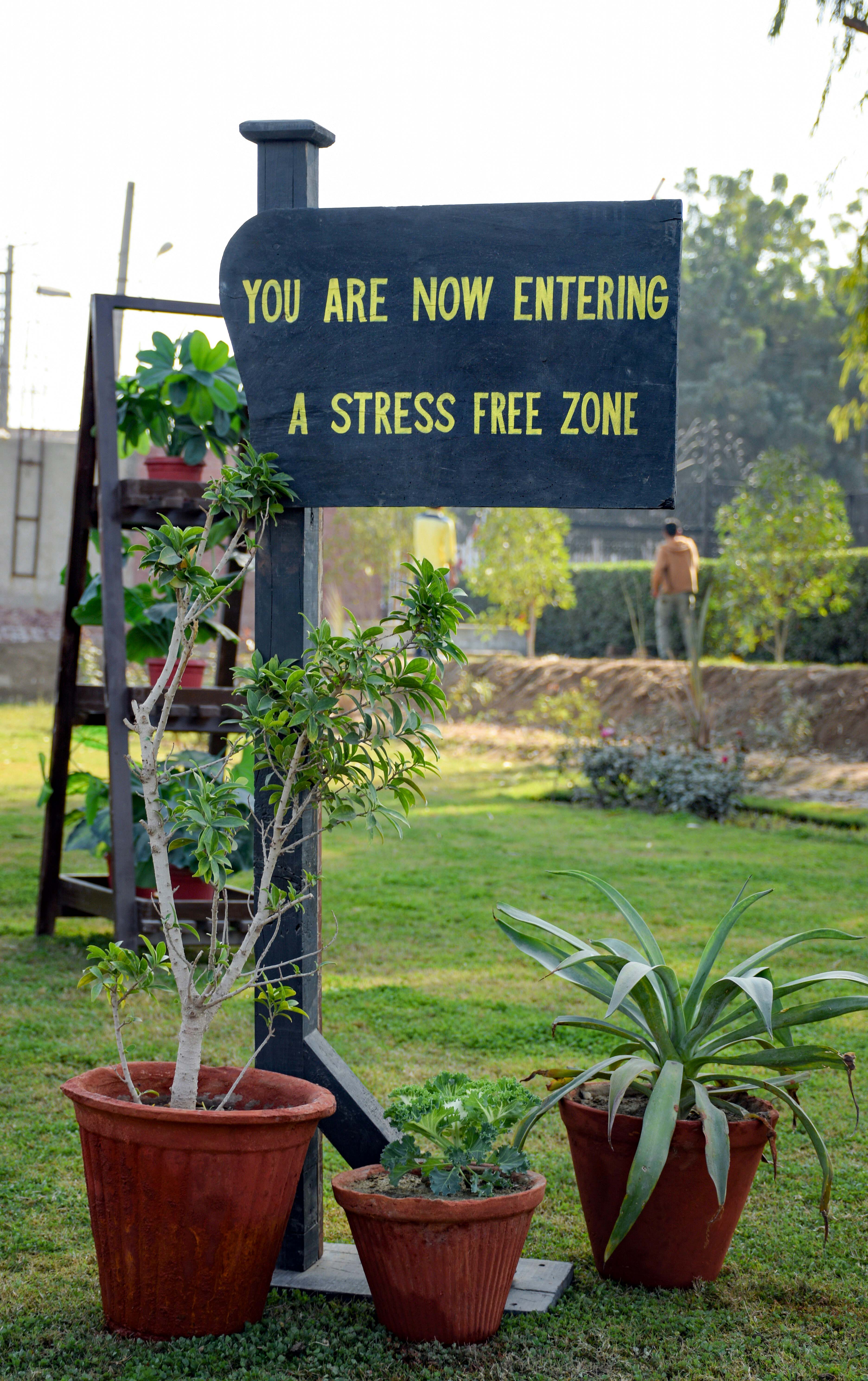
Exposure to nature, parks, and gardens, has been proven scientifically to be beneficial in maintaining and improving mental health, by reducing stress, anxiety and depression. More and more scientific research points in this direction, in particular, to watching birds, and being surrounded by vegetation, being good for mental health. It therefore makes sense to design gardens to be not only pleasant places with greenery and flowers, but with an emphasis on bird attracting plants, and other bird attracting features.
The beneficial psychological effects of gardens (and the beneficial physical effects of active gardening), also result in many significant and positive economic outcomes for society as a whole. By contrast, the social and economic cost of poor mental health to society is enormous. “The research in this area is already so persuasive that it is starting to influence governmental initiatives and policies: The Netherlands government predicts a saving of over 65 million Euros a year on the health care budget by investing in green space in its cities”. (Cooper, 2020).
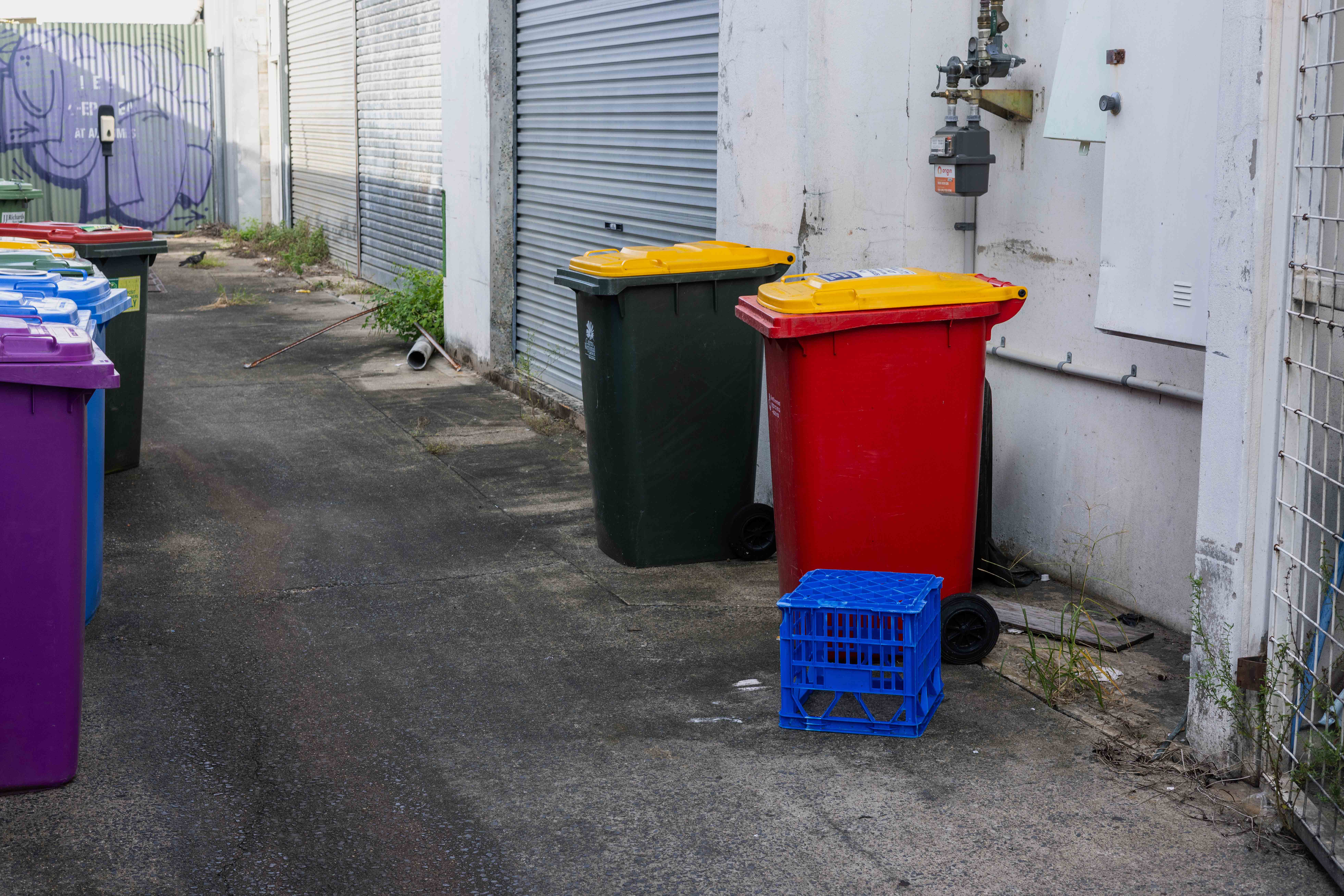
Patients in hospitals, and residents in aged care facilities, for example, may fare better with immersion in attractive gardens, and watching birds. Just as importantly, the staff could have more restorative breaks, and go back to work refreshed and work more productively, with a possible reduction in days taken off due to stress. Many workers in cafes, restaurants, and hospitality generally, commonly take breaks sitting on an upturned milk crate, in a narrow alley with no greenery, and the only wildlife they see is a rat crawling out of a dumpster. This is not conducive to positive mental health and work place productivity.
*
*

*
*
I hope the ideas and information presented here will inspire people to make and spend time in gardens, for the well-being of themselves and perhaps many other people, as well as for the benefit of wildlife and the environment.
Opportunities for healing gardens exist in many places including schools and universities, motels, camping/caravan/trailer parks, work places, to help war veterans, and many more.
Plants, seats, and pleasant healing gardens
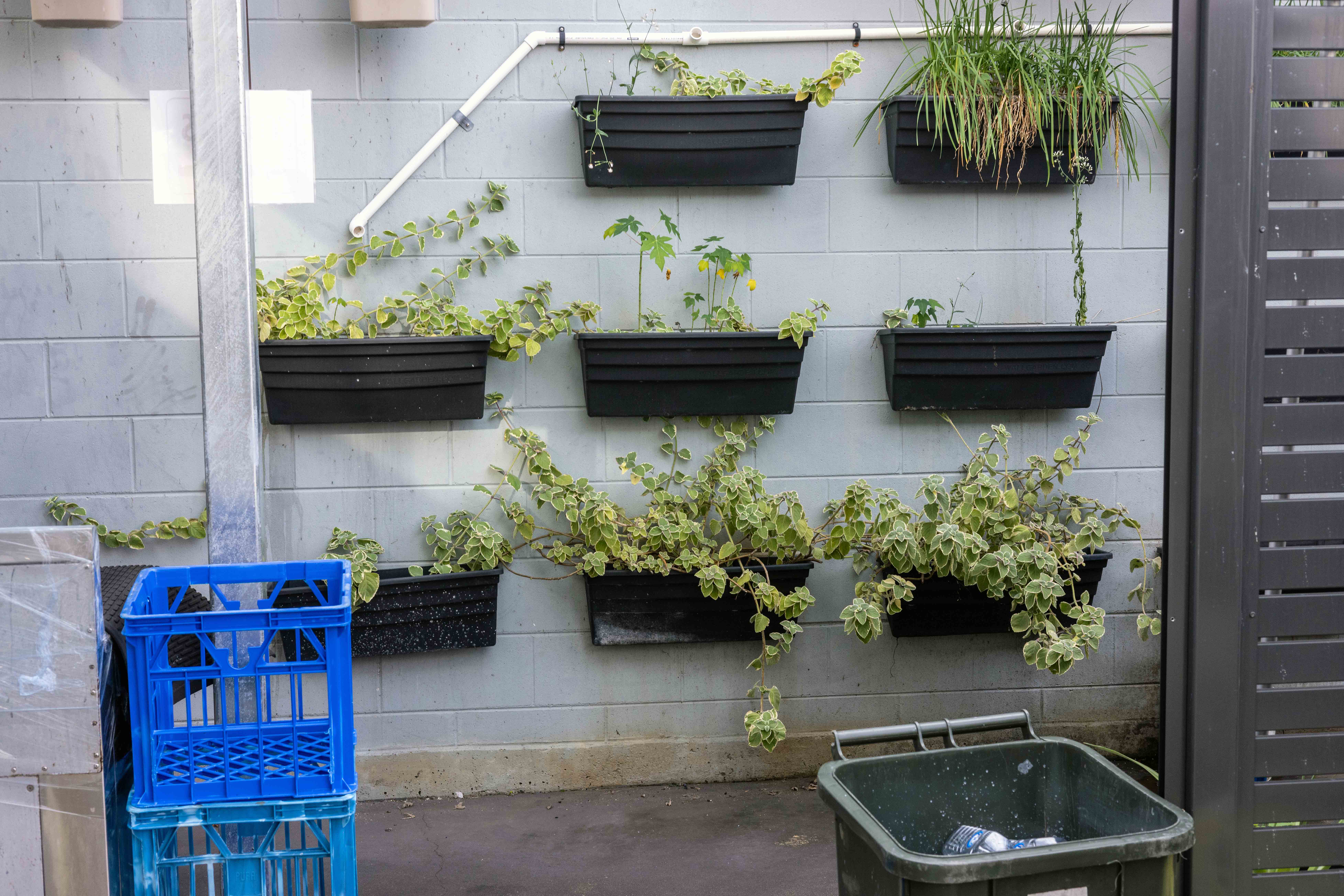
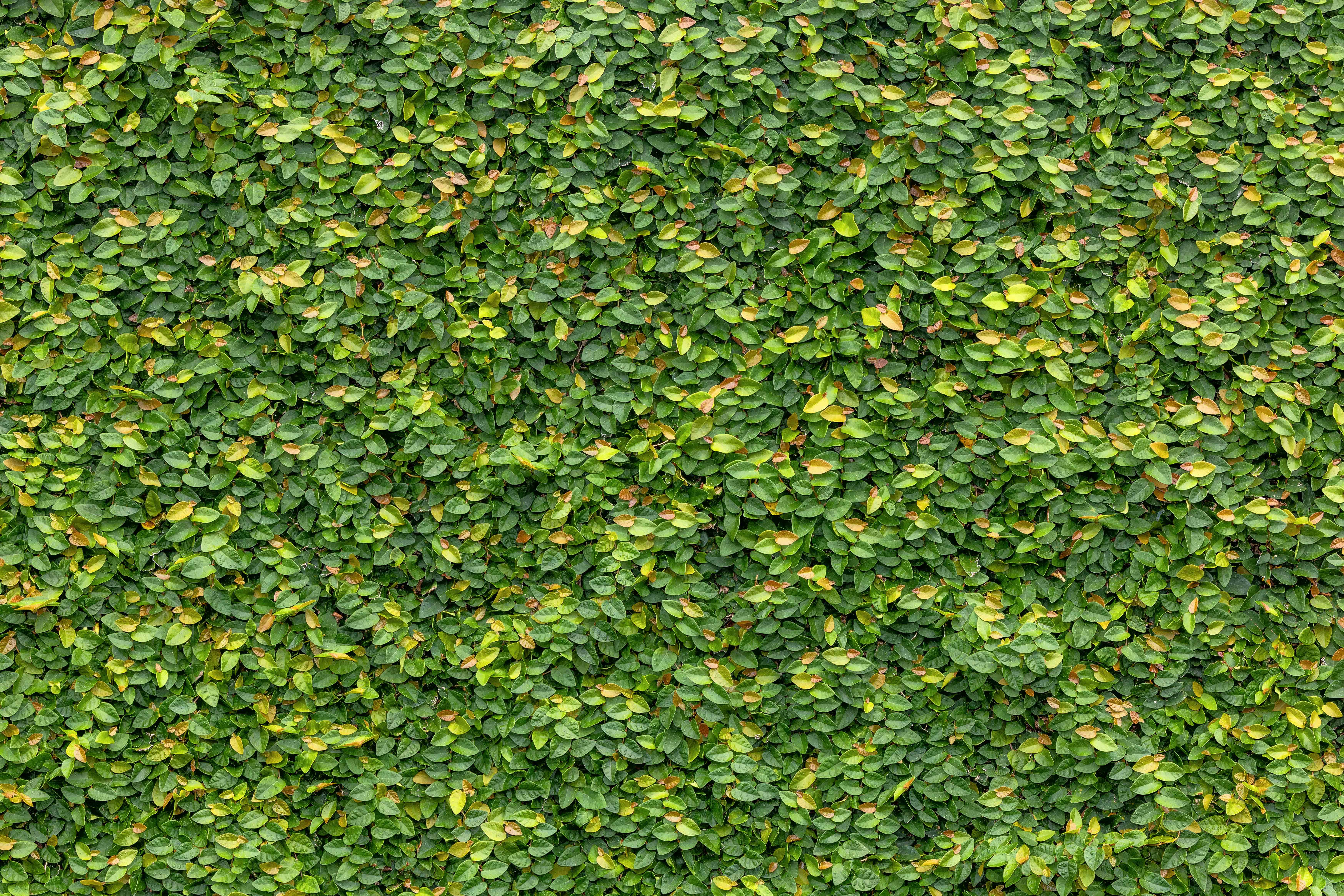
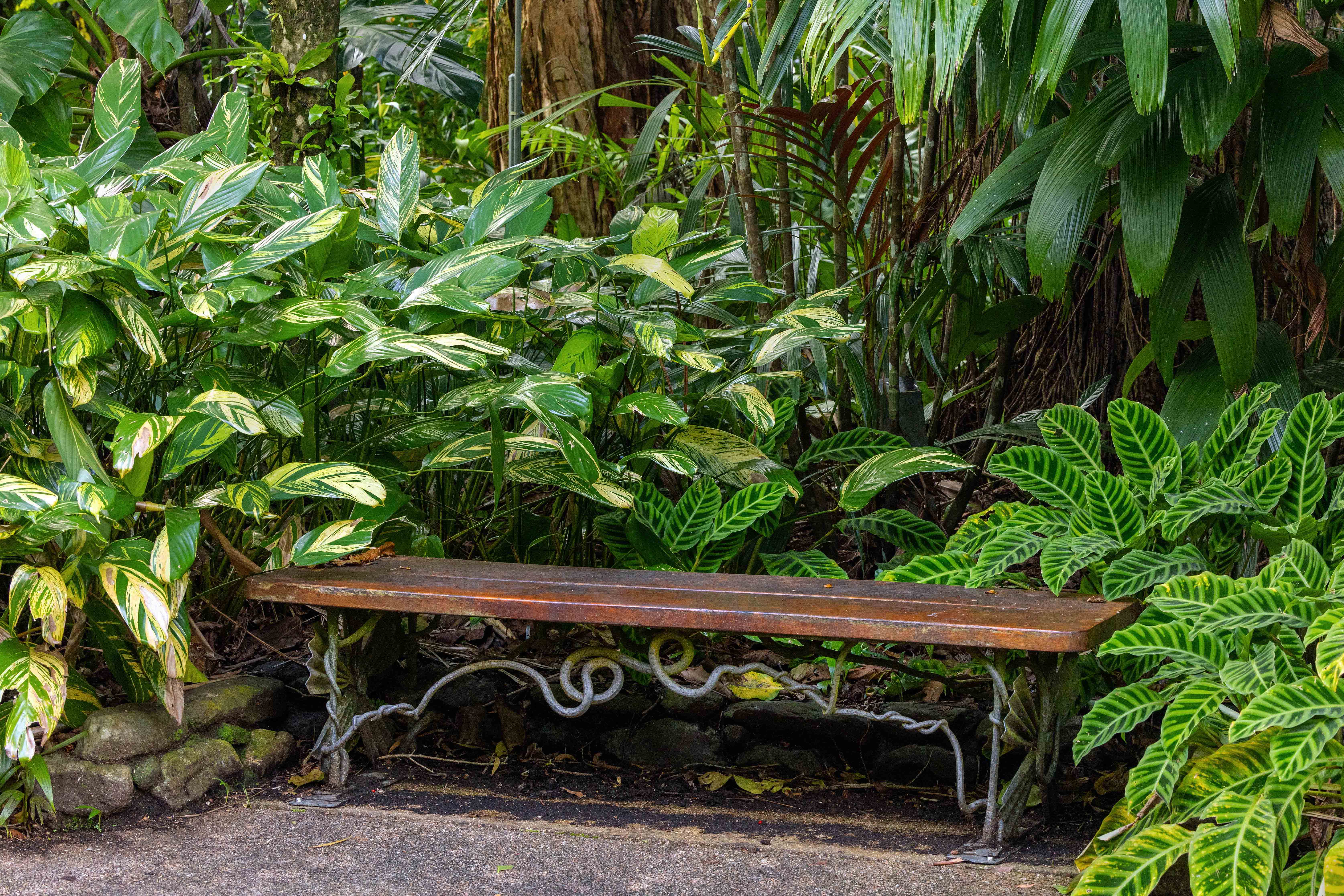
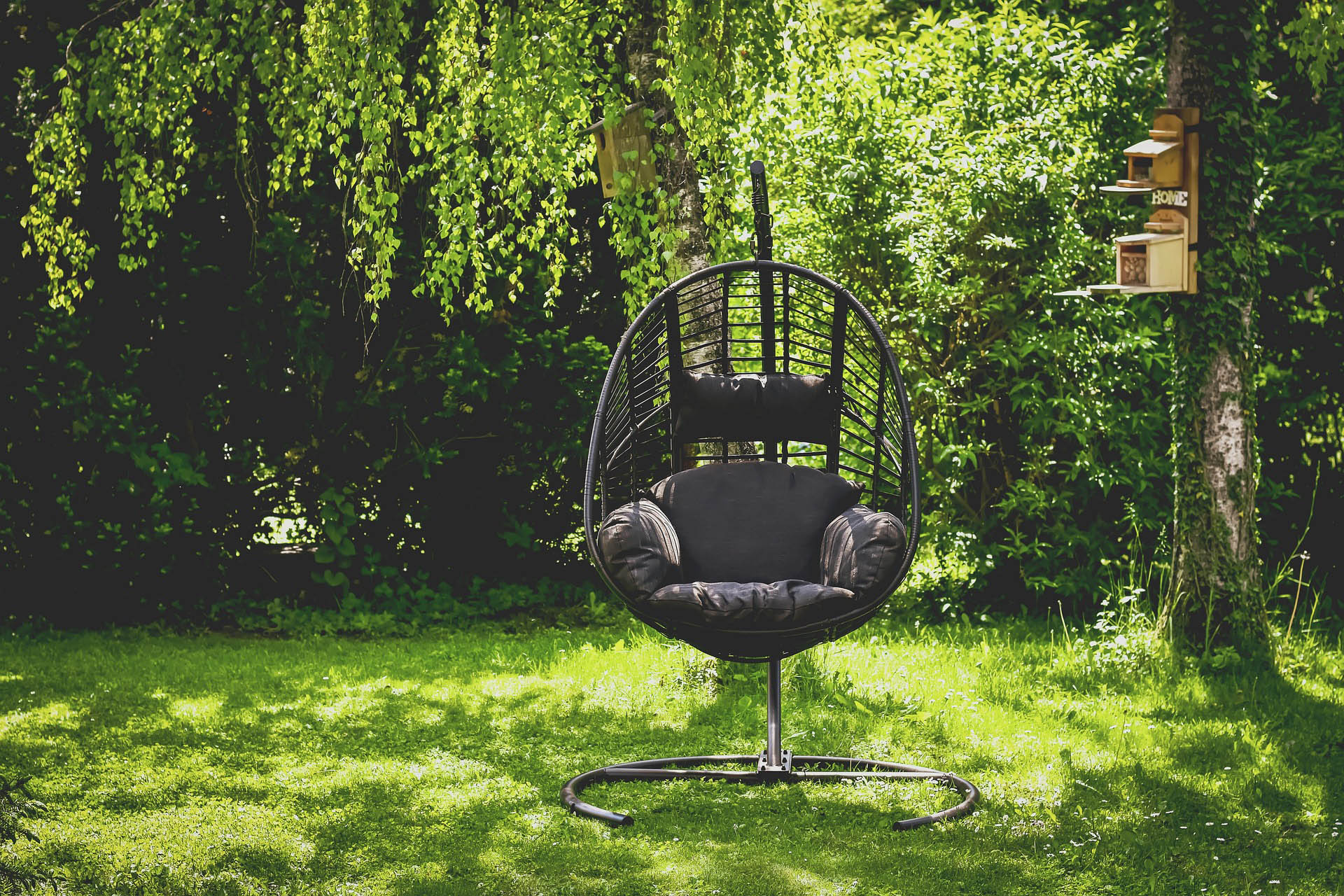
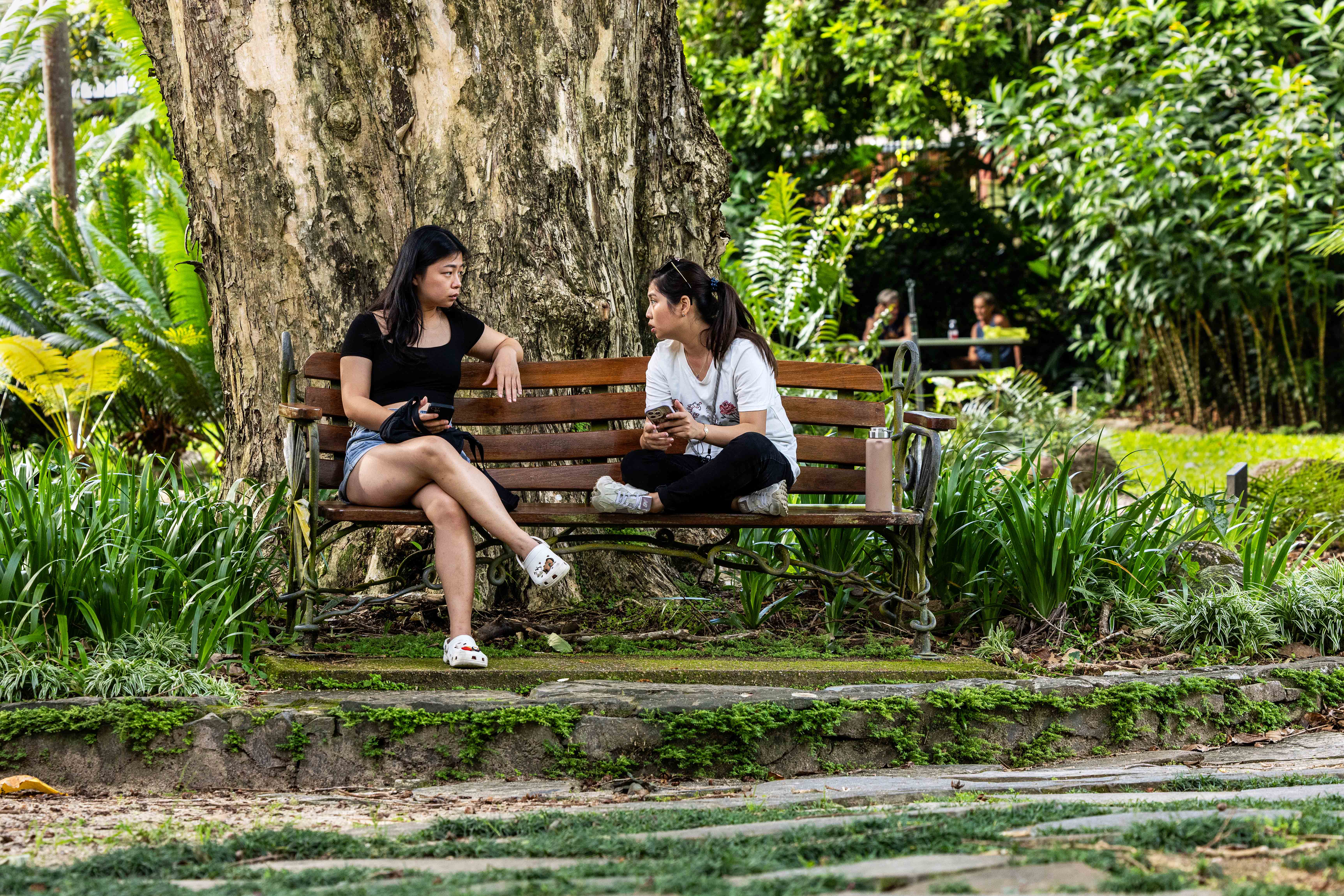
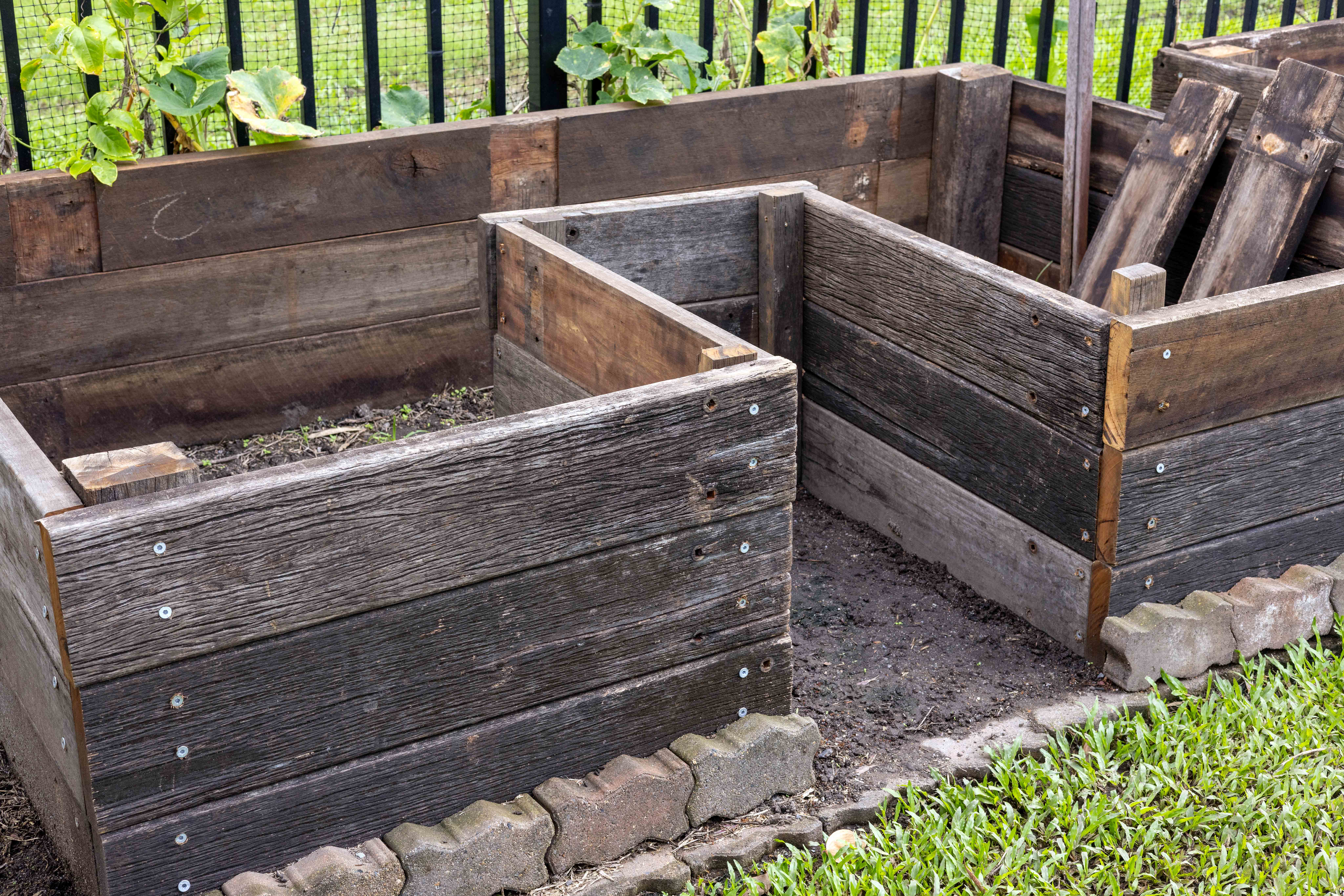
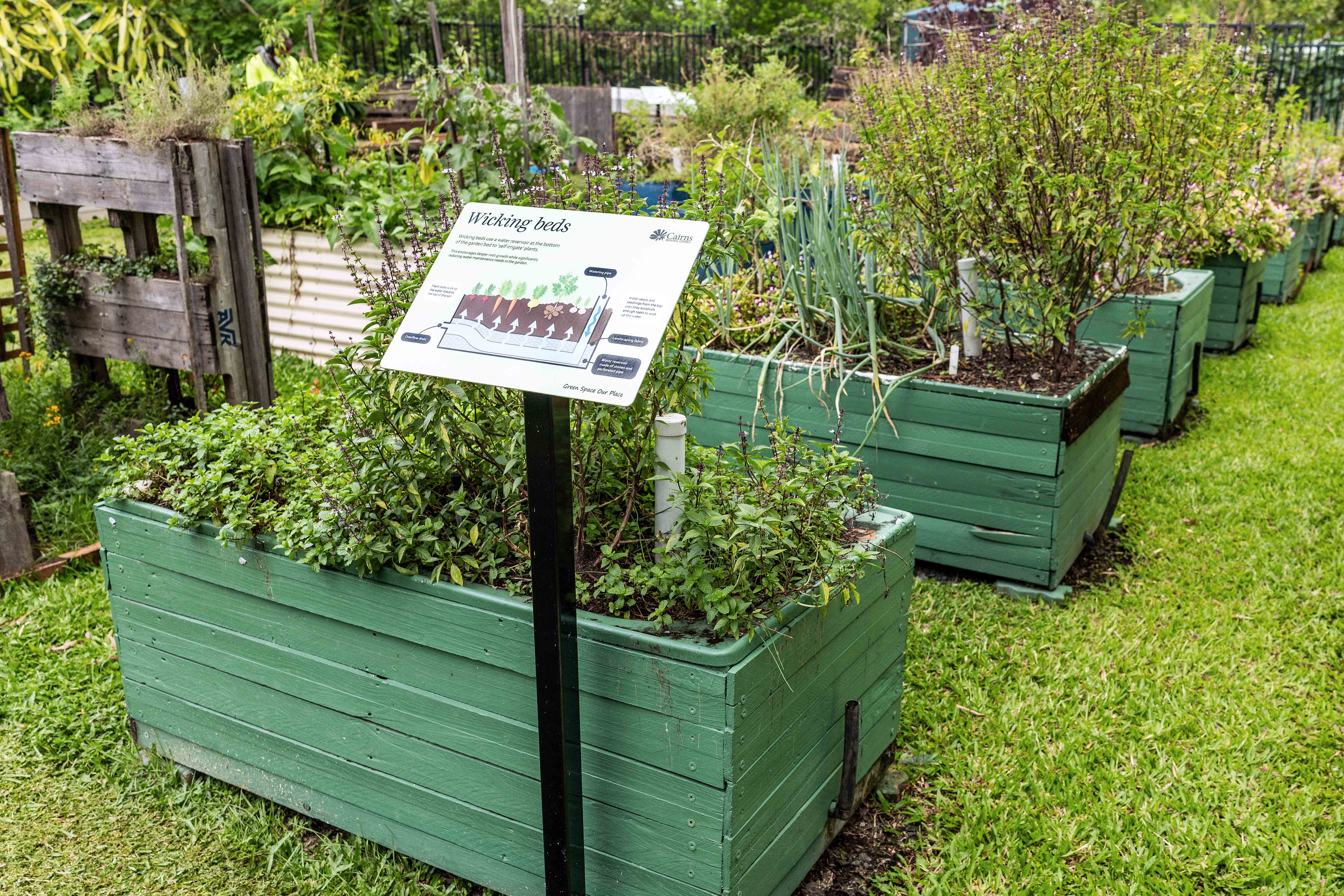
Greenery can be a key feature not just in larger gardens and parks, but also in small spaces such as alleys, with green walls or vertical gardens, creeping plants on walls, and semi-circular hanging baskets or planter boxes fixed to walls. Small courtyards can have seats, raised garden beds, planter boxes, pot plants, bird baths, bird feeder tables, nest boxes and ponds. Seats should be functional and attractive, and if possible, in shady places as well as in sunny places, and in open places as well as in quieter, private places.
Informal gardens which resemble natural environments are likely to be better for mental health than formal gardens. Gardens can potentially be more biodiverse than nature, with an almost overwhelming sense of abundant life, than is commonly found in nature close to a city (with some exceptions of course). A garden can be nature amplified, and therefore contribute greatly to positive mental health. Gardens are also usually more accessible than visiting a national park, or going on an African safari.
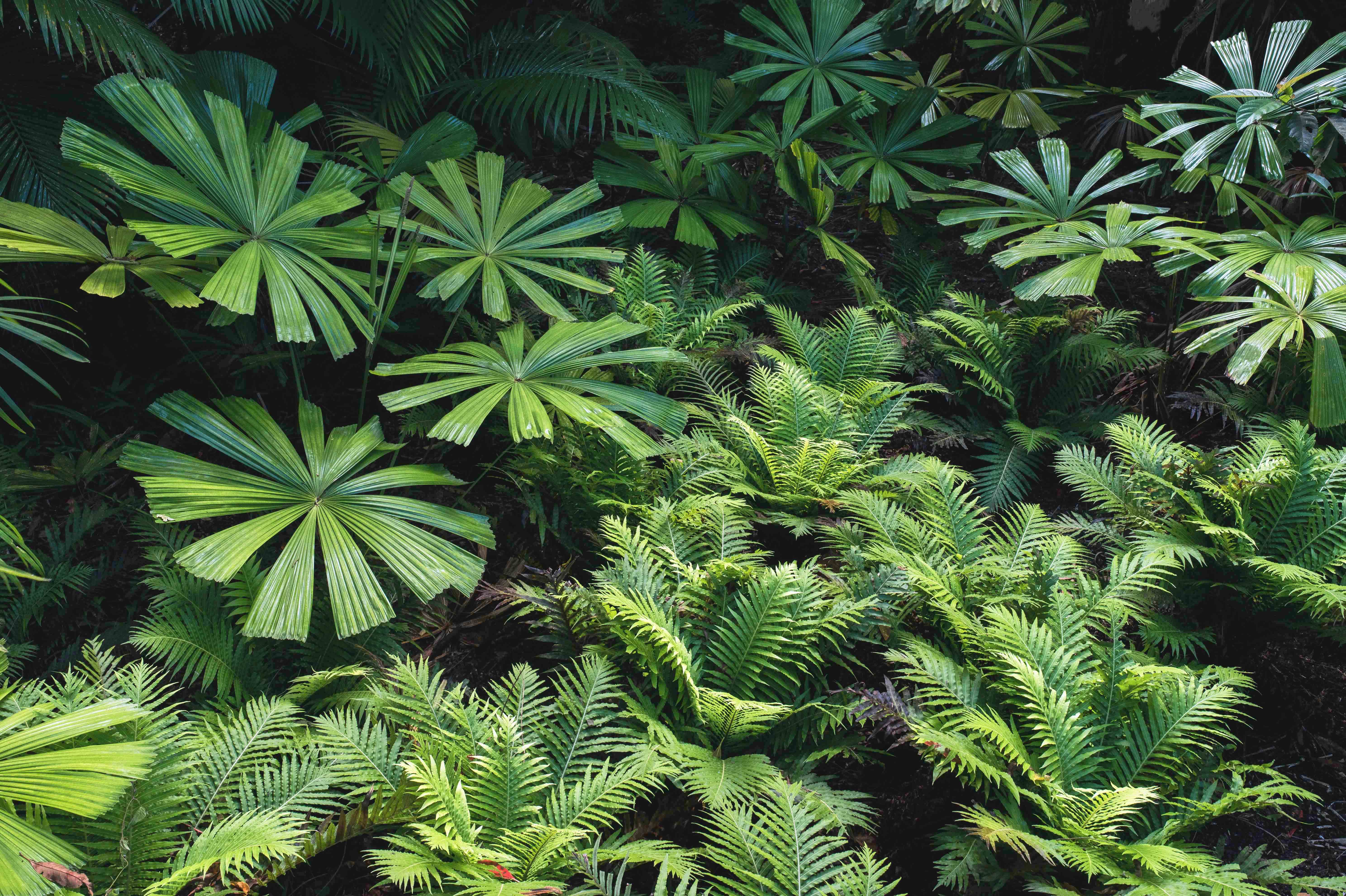
When designing a garden, it is a good idea to work to a theme. Of course a healing garden is a theme, but such gardens can also be in a certain style, such as cottage gardens, tropical gardens, water gardens, or local plant species mimicking local nature. Dividing a garden using trellises covered in climbers can create separate “rooms”, with each room being an opportunity for a different theme and purpose.
*
*
*
*
*
Attracting wildlife to gardens for mental health
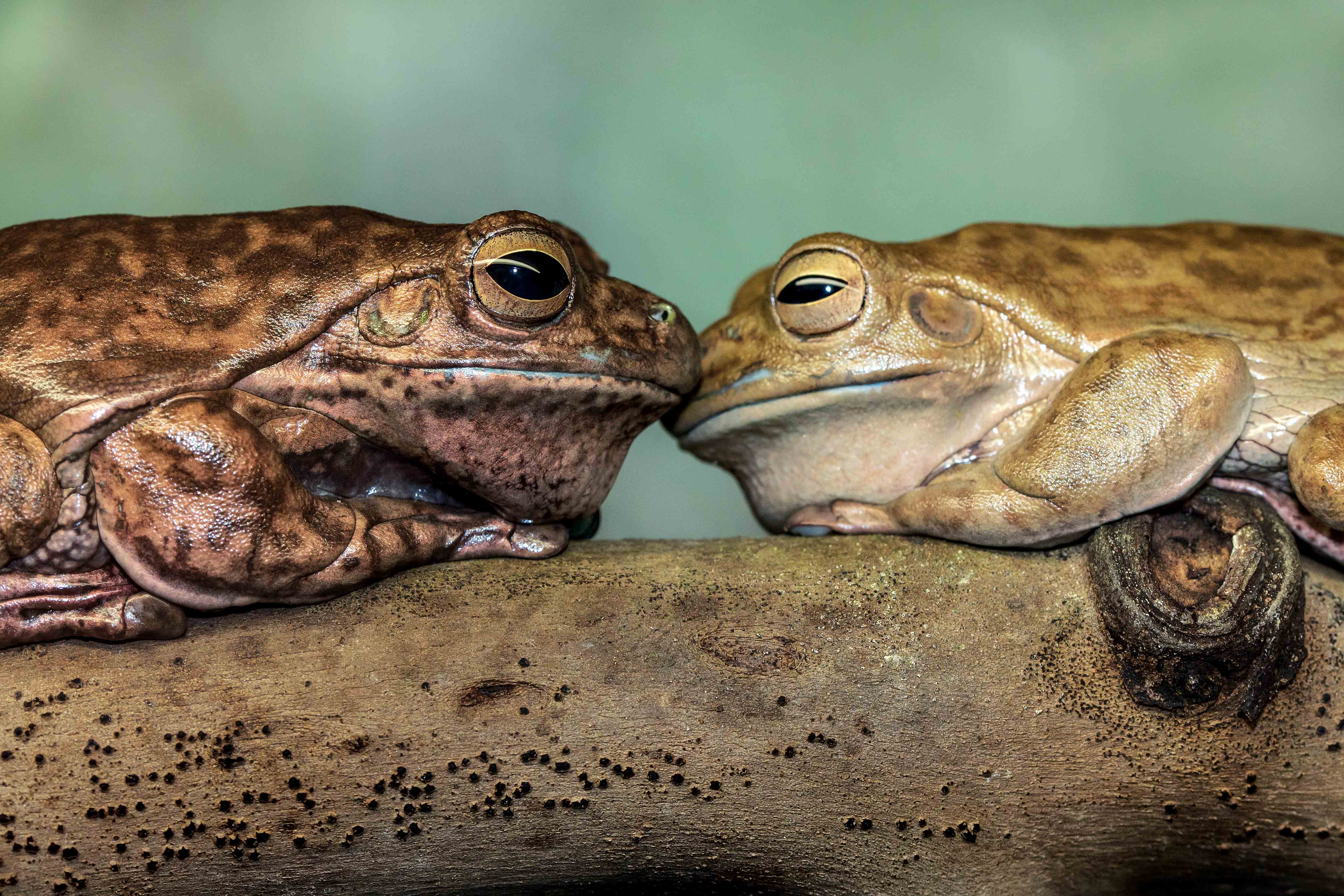
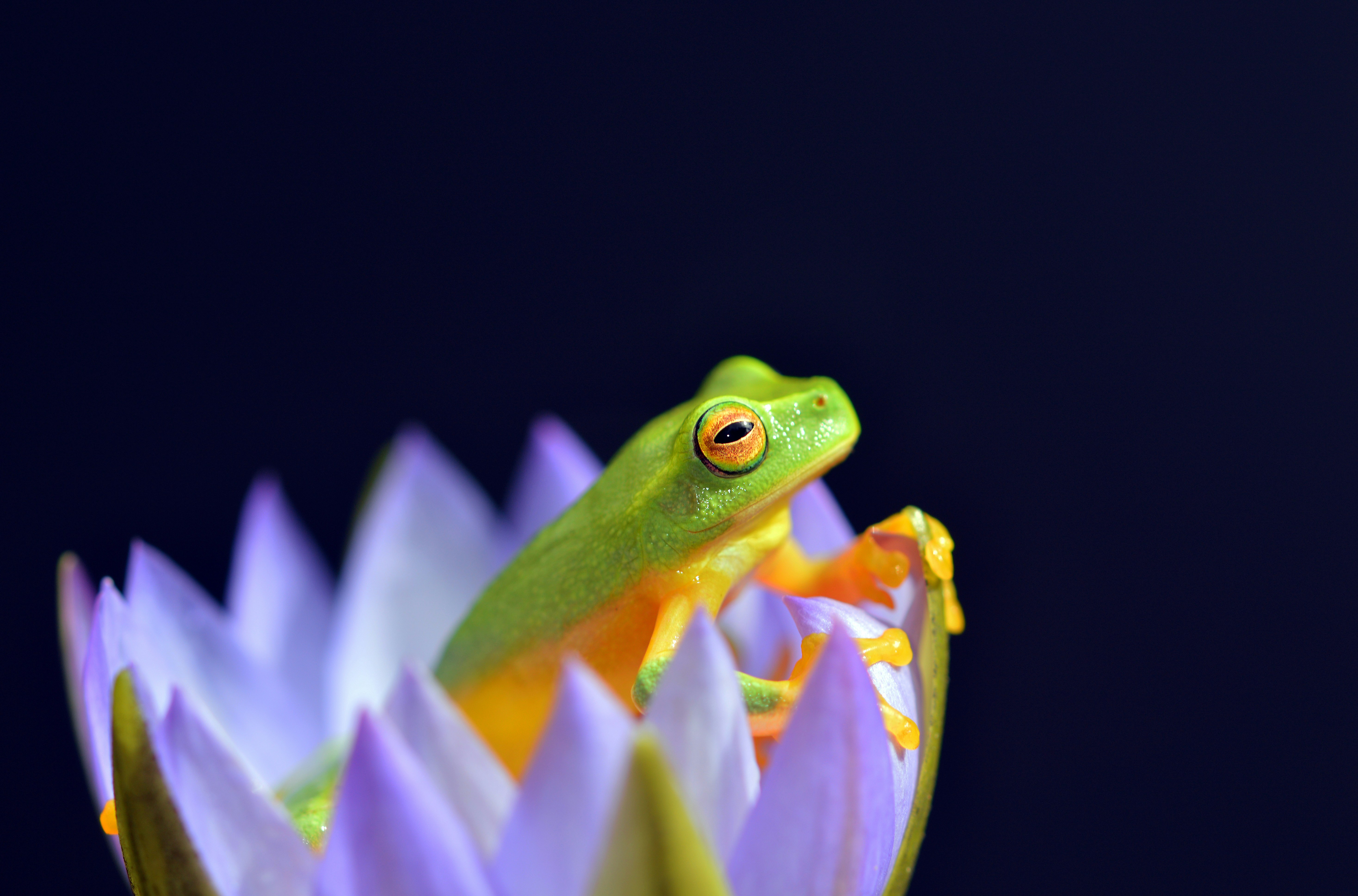
Scientific research has shown that watching birds is good for alleviating depression, anxiety and stress. I suspect that watching butterflies, bees, dragonflies, fish, etc., may also be helpful, but perhaps not to the same extent.
*
*
*
Attracting birds and other wildlife
An important and often neglected aspect to attracting wildlife to gardens is the need for dense plants to provide shelter and refuge for smaller birds and other creatures. Also, logs on the ground, rockeries and woodpiles can provide habitat for lizards, but also possibly snakes. It helps to create a variety of micro habitats, that may be warmer, such as a rock angled towards the morning sun for an assortment of animals to warm up, and cooler, shadier spots, for example.
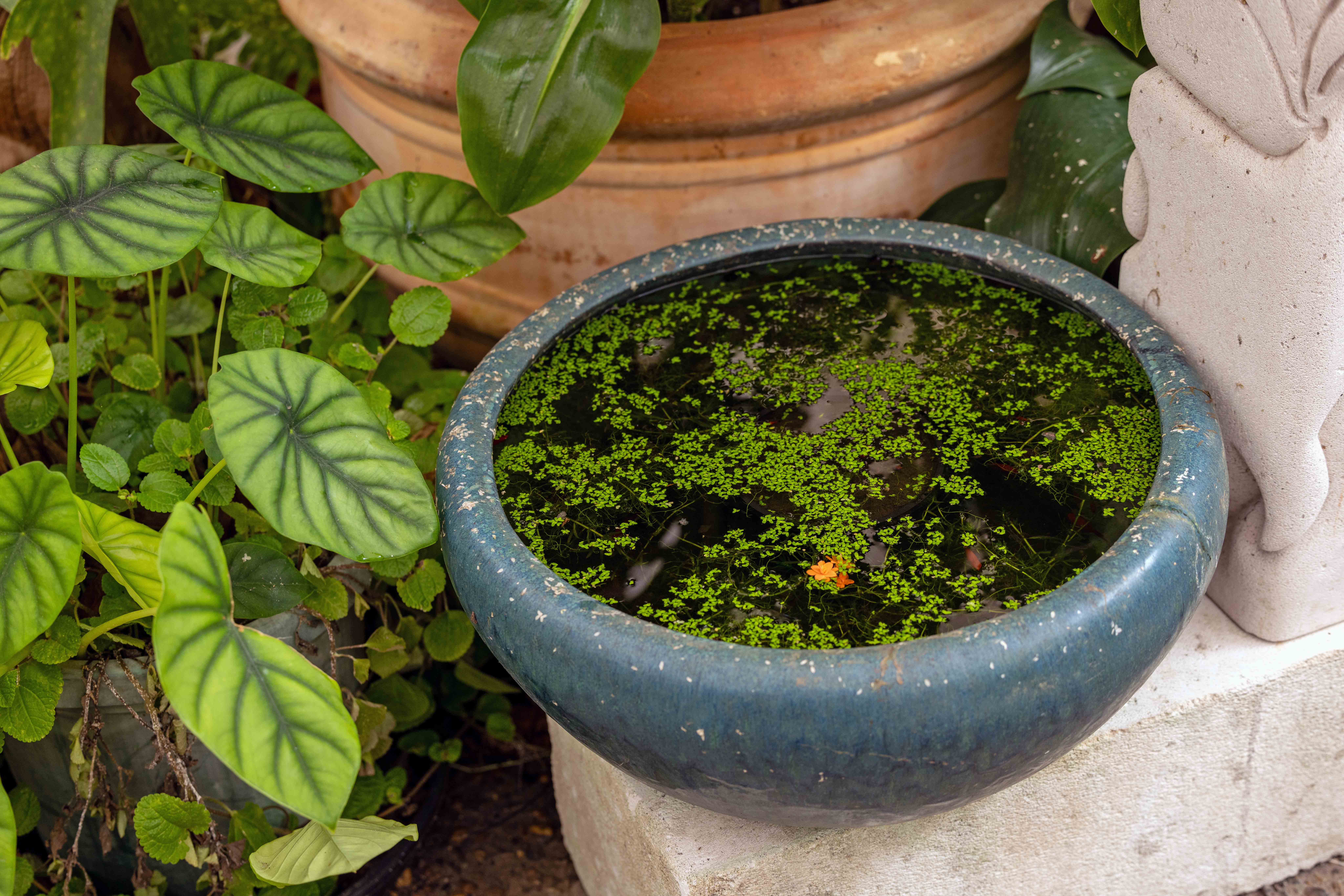
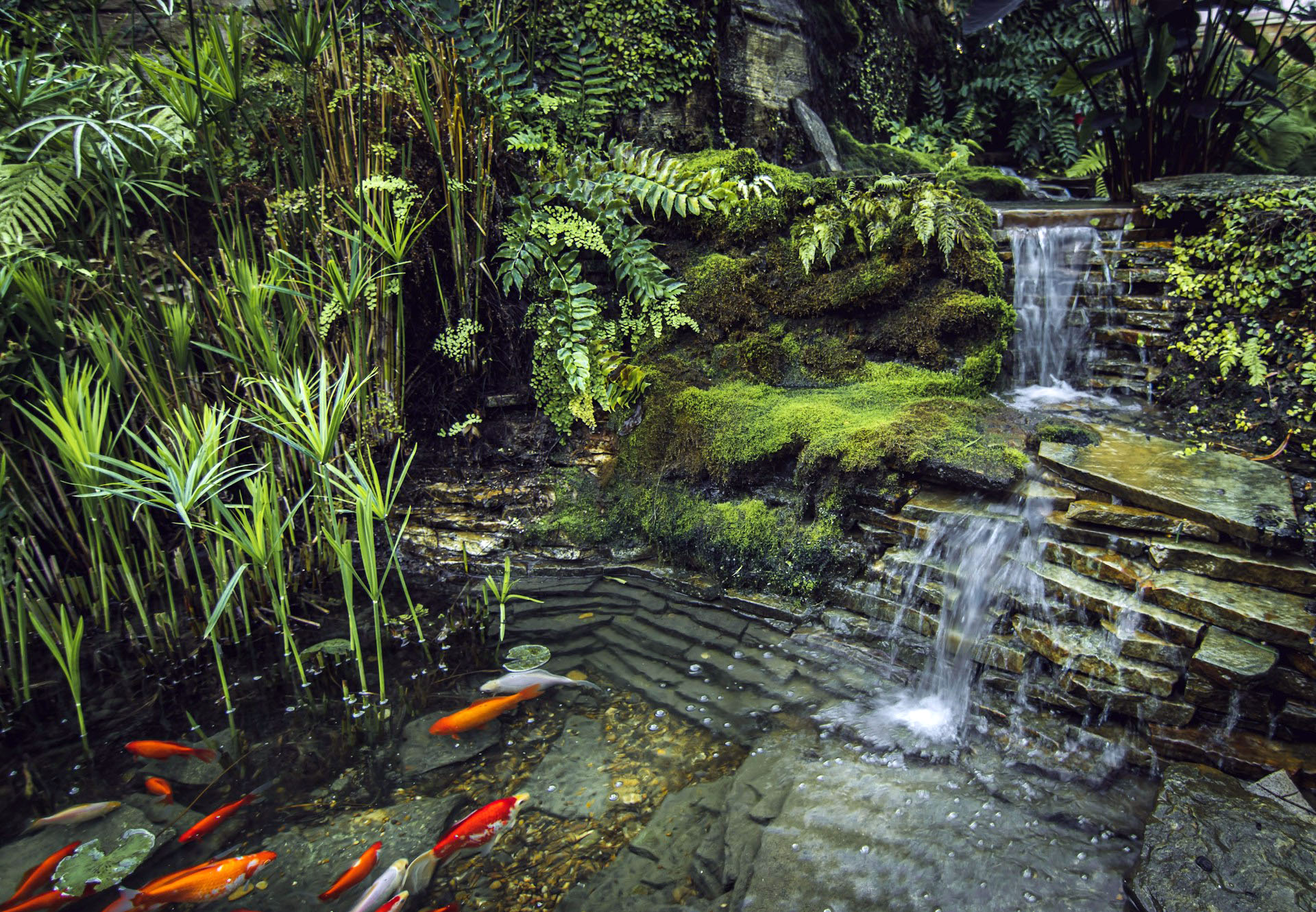
Water is a universal need for wildlife, plus the sound of moving water can be soothing for many people.
Bird baths, feeders and ponds are normally best in the open, so that birds can keep a lookout for predators such as cats and raptors. On the other hand, a dense shrub perhaps three metres or yards away, can be a refuge for them to disappear if needed. A branch on which they can perch in the open means they can land and check for safety, before letting their guard down in the bath, pond, or feeder.
Multi purpose plants
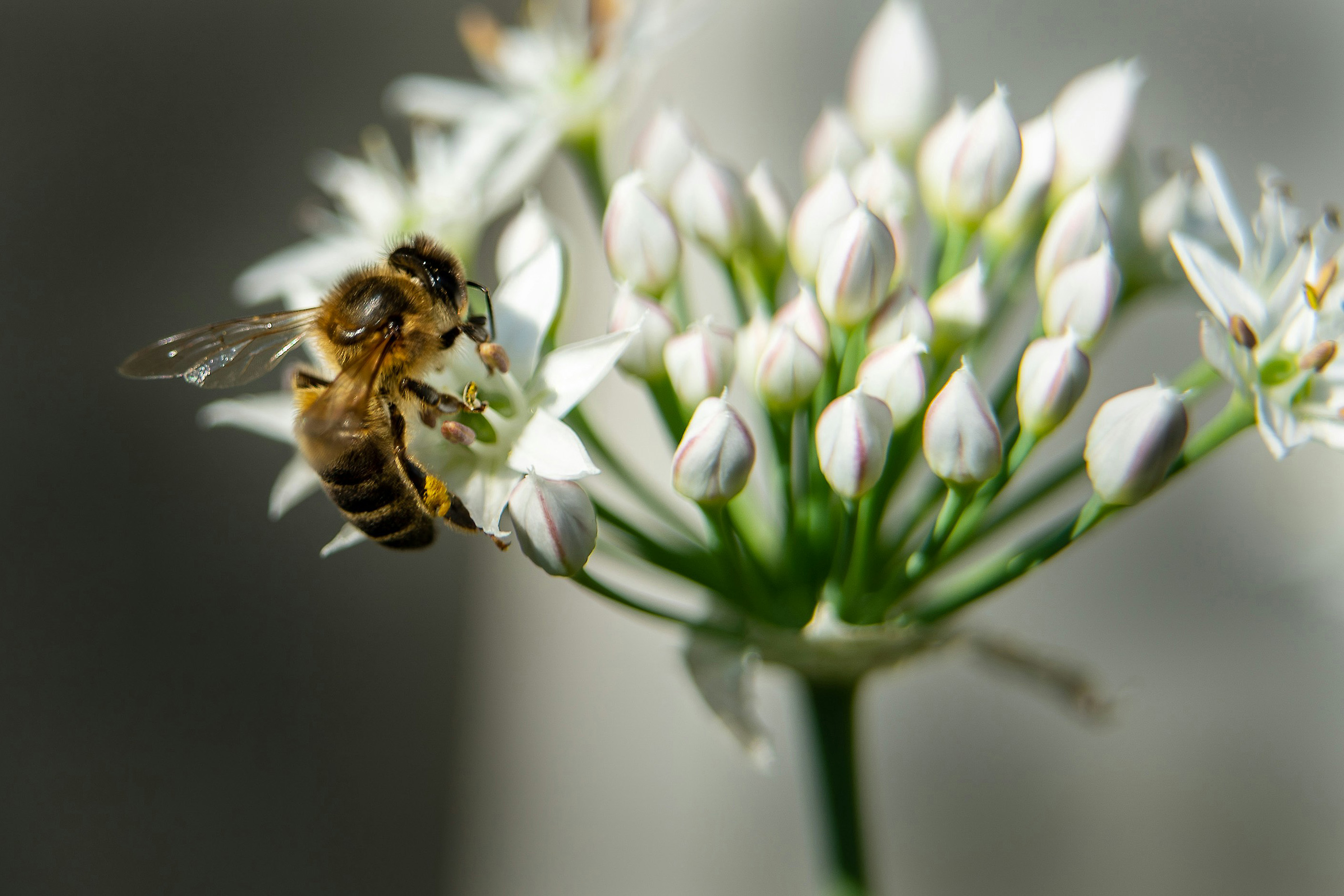
Some plants are particularly useful, if they flower for an extended period or repeatedly rather than just once a year, and some can do double duty, or more, with nectar-filled flowers followed by seeds or fruit, and provide dense shelter. Some plants attract birds, bees and butterflies. Many plants in the Proteaceae family are good for both birds and bees, e.g. grevilleas, proteas, banksias. Multi purpose plants are a good choice, especially in small gardens.

*
*

*
Placement of bird attracting features
Bird attracting plants or features can be placed where they can be easily viewed, perhaps from behind shade cloth or camo netting, for photography and bird watching with binoculars. For photography, branch perches with lichen and mosses add extra interest to photos of birds. For more on bird and wildlife photography, I recommend the following YouTube channels by people who know what they are talking and explain things well: Simon d’Entremont, Jan Wegener, and Duade Paton. Duade has a practical video on setting up perches next to bird baths for photography: “How to build setups to take fantastic bird photos – step by step guide showing exactly how I do it”.
Bird attracting plants
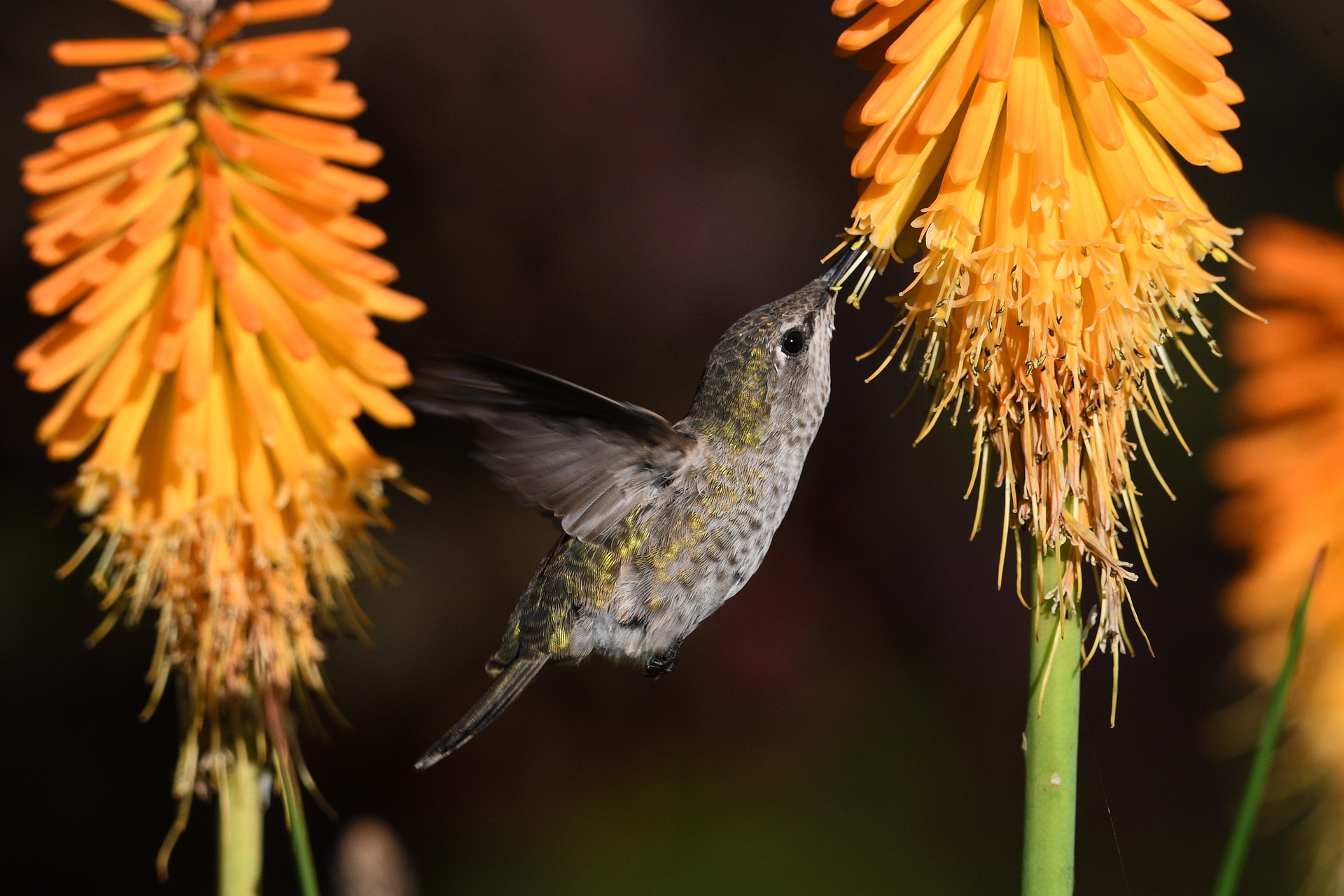
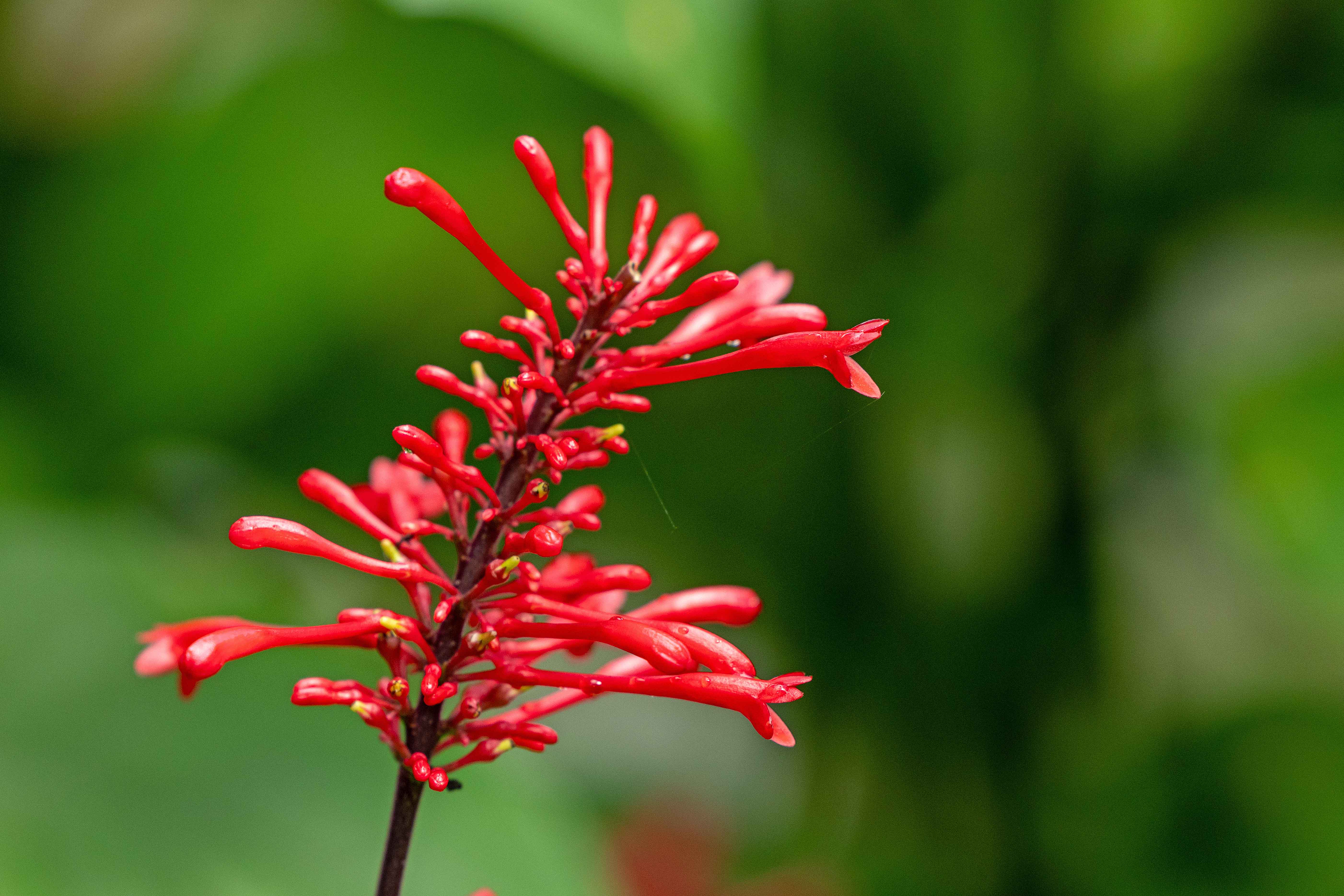
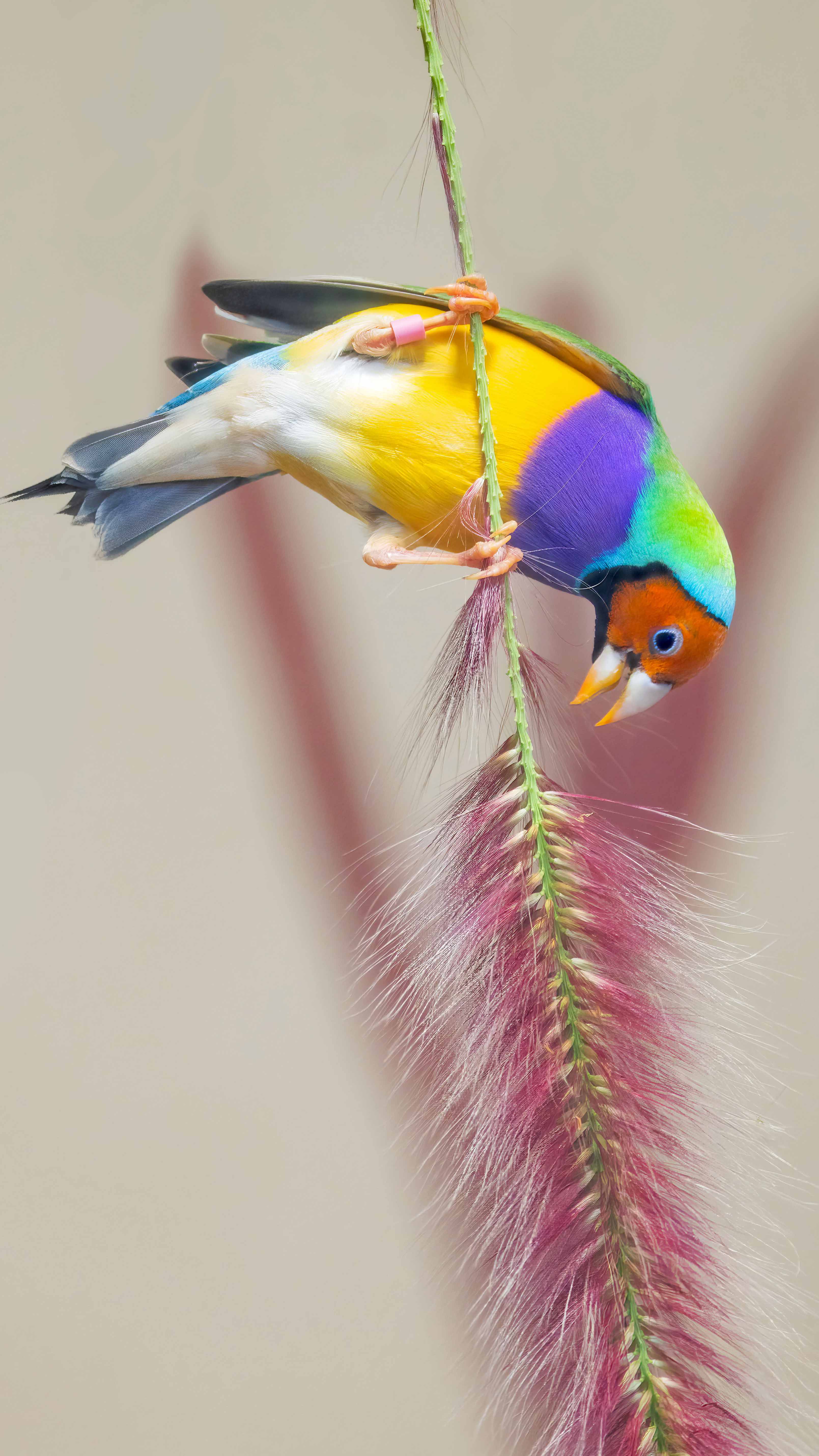
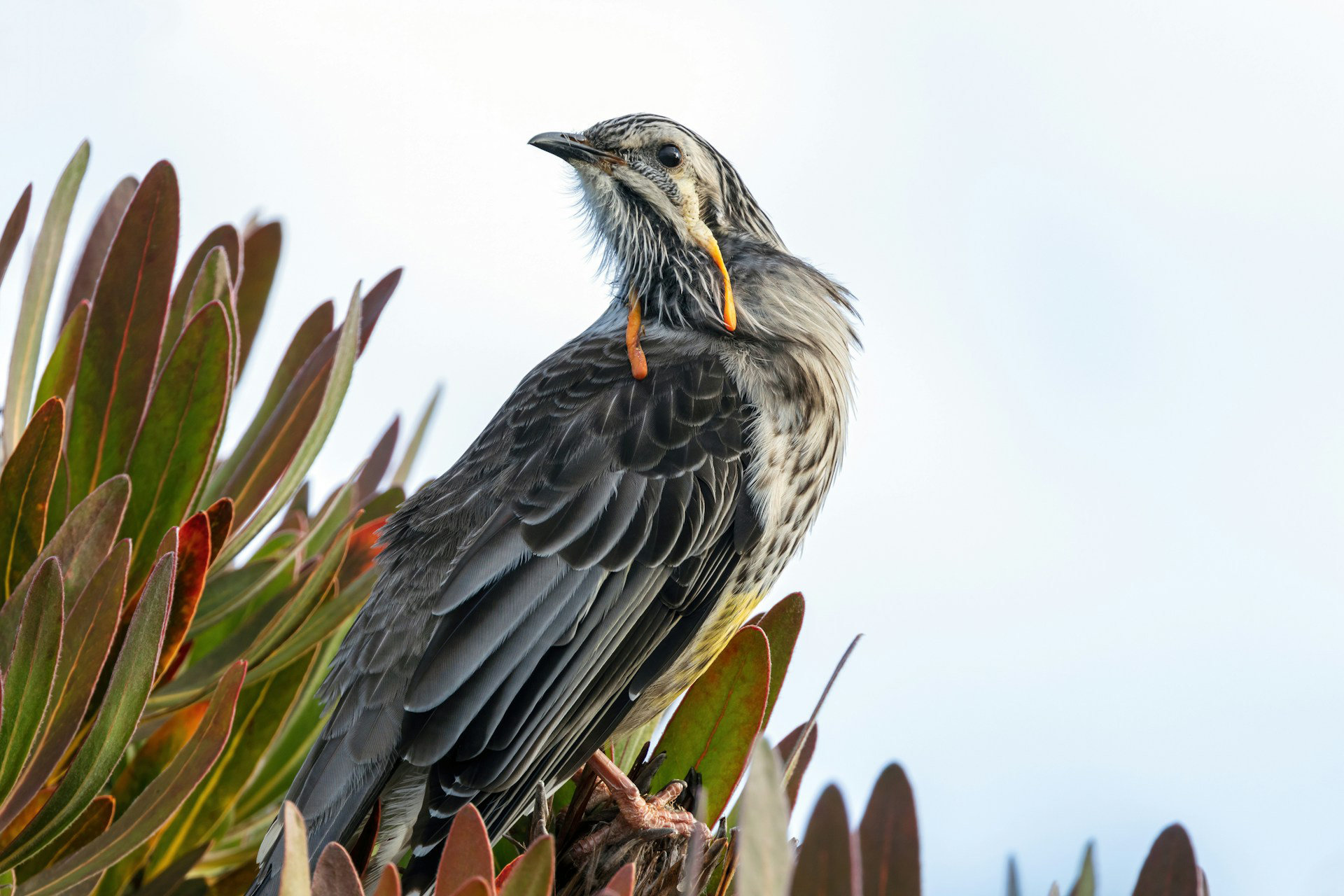
Birds of different species may be attracted by plants which provide food, shelter/refuges, and nesting sites as well as nesting materials. In my experience, birds and other wildlife don’t care about which country the plant comes from, as long as it provides what is needed, however, from an environmental point of view, local indigenous plants are best. Search the internet for plant lists for specific birds and purposes in your location.
*
*

*

*
*
*
Bird baths
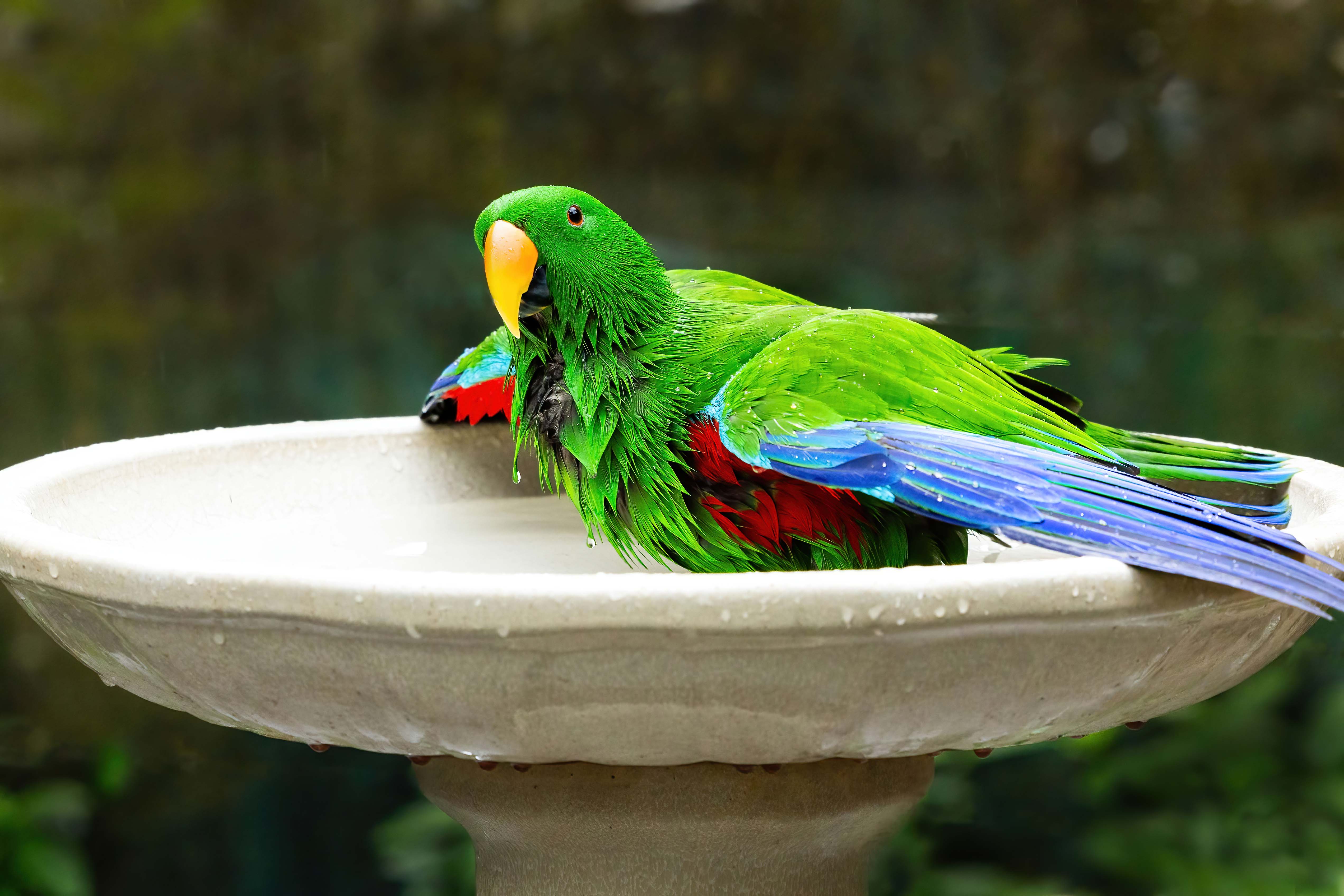
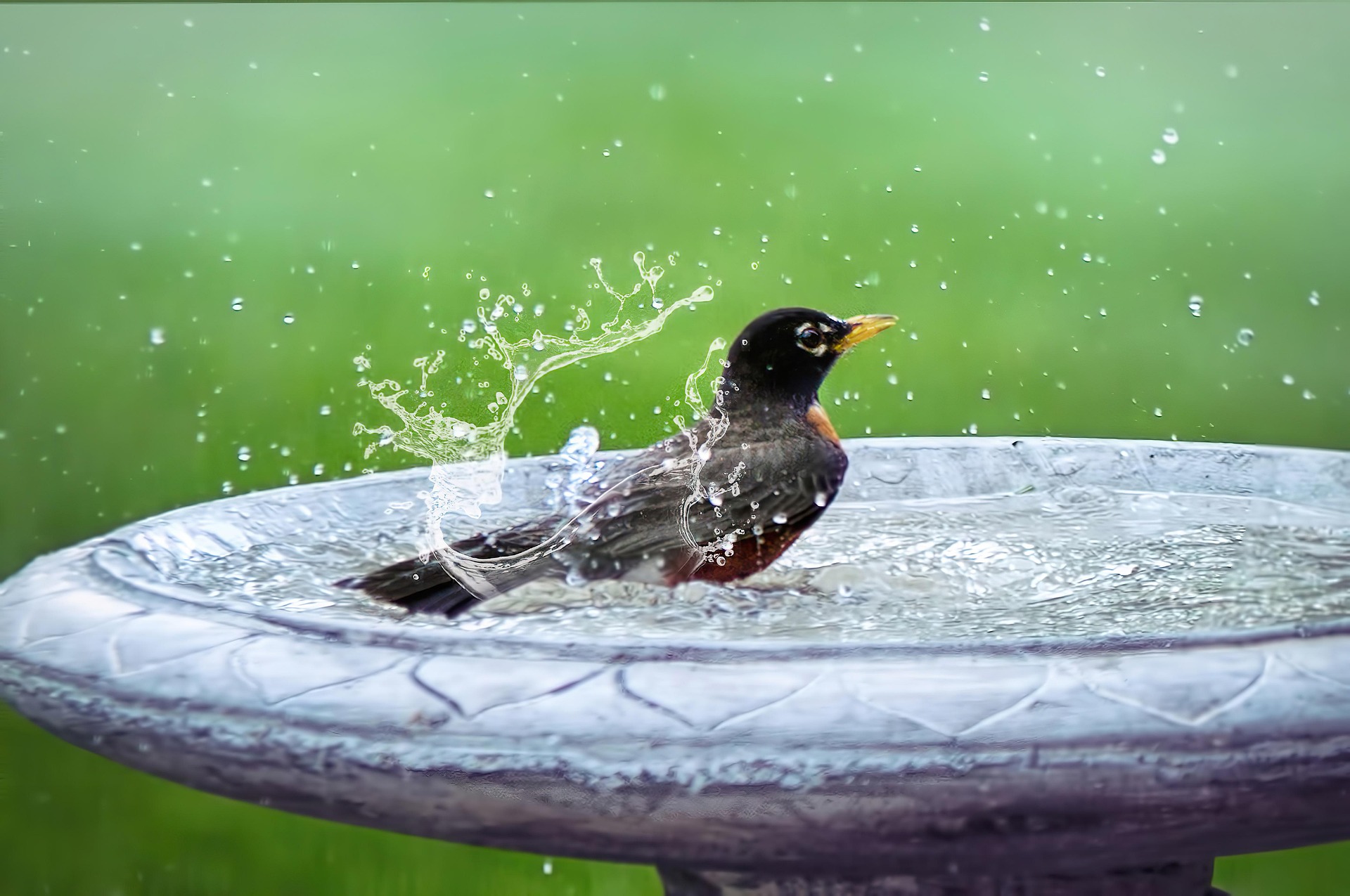
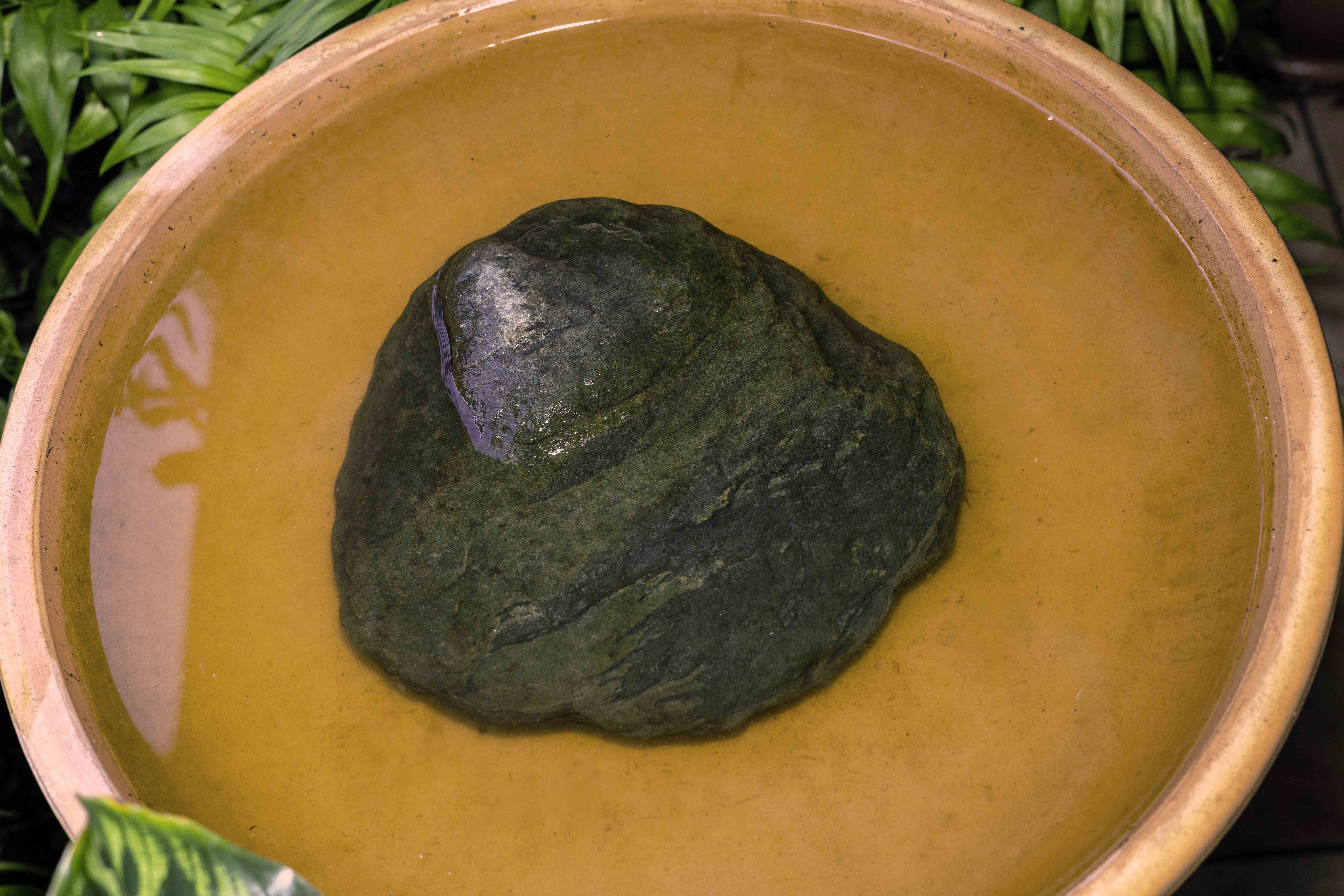
Bird baths which have a smooth surface are easier to clean, however they may also be slippery for the birds. A rock in the bath will help, and ideally should have a gentle slope so that smaller birds can bathe in shallower water.
*
*

*
*
Bird feeders
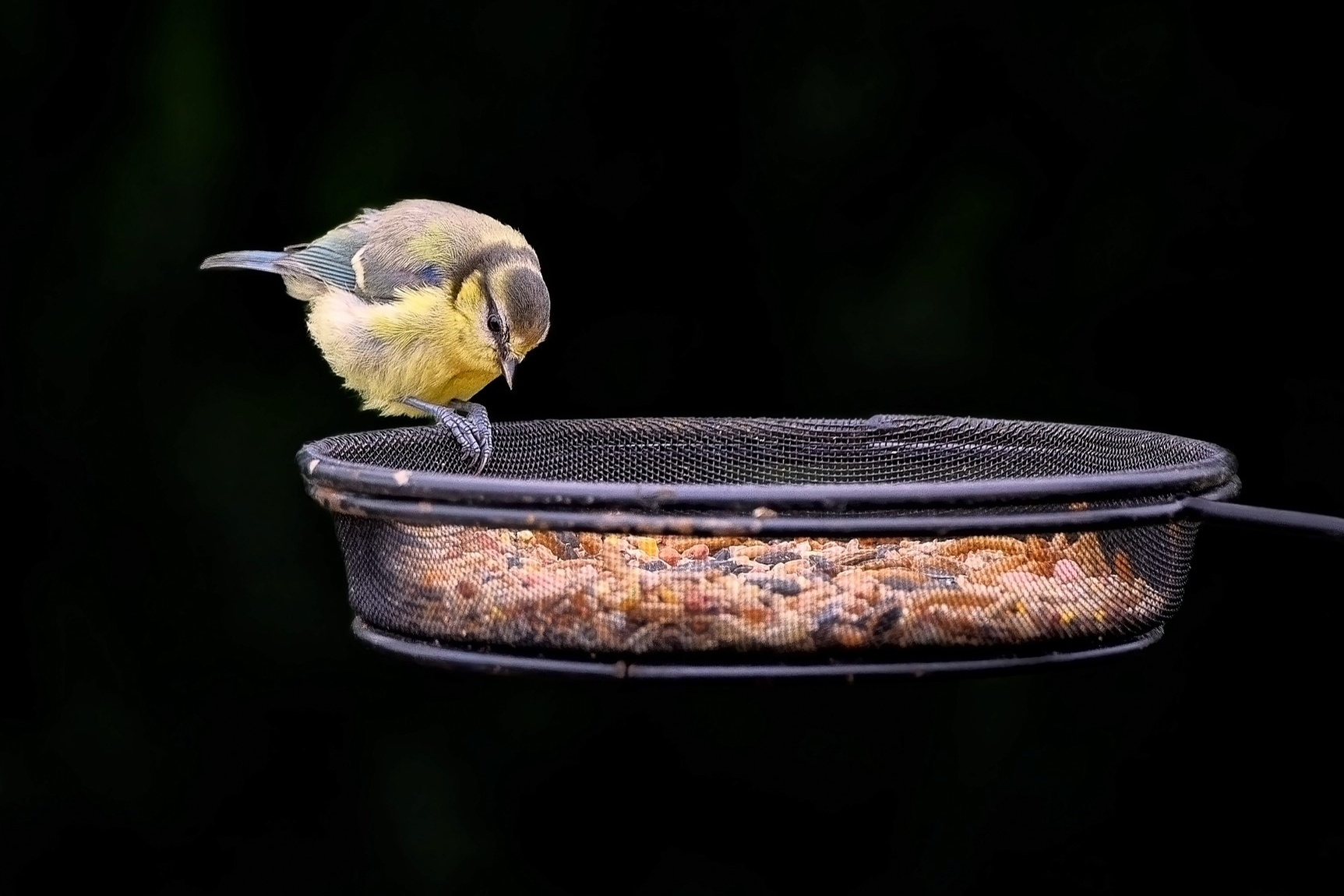
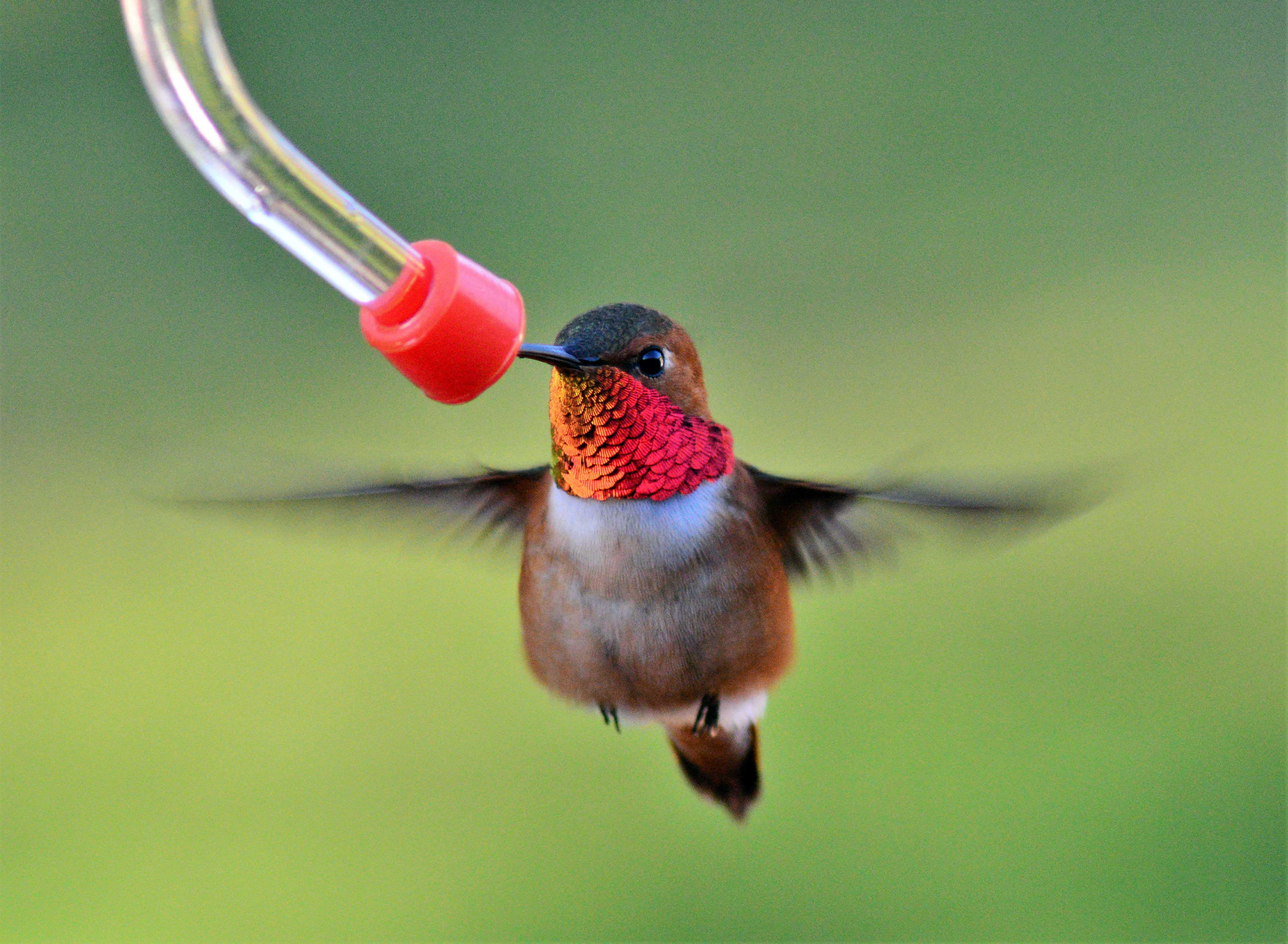
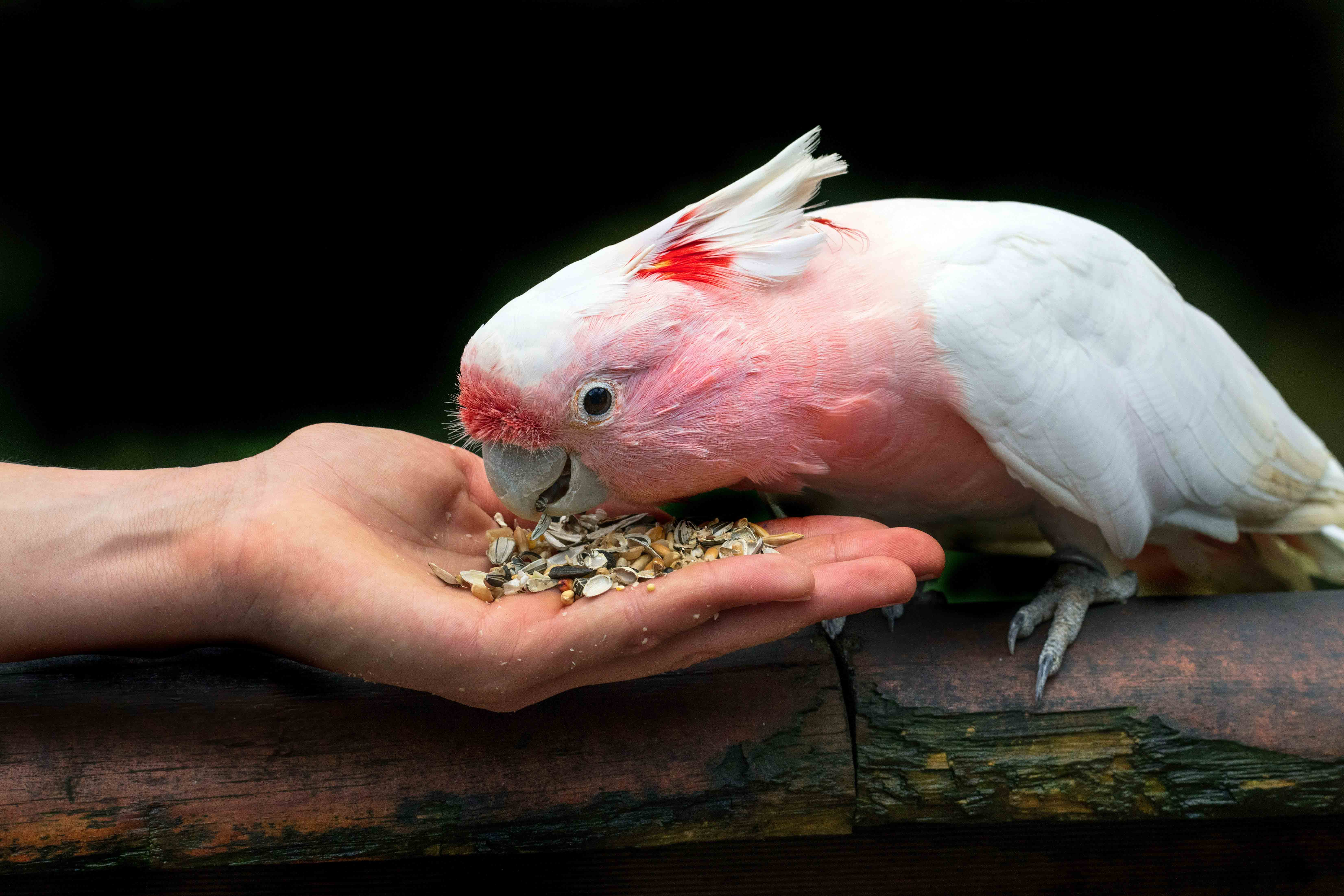
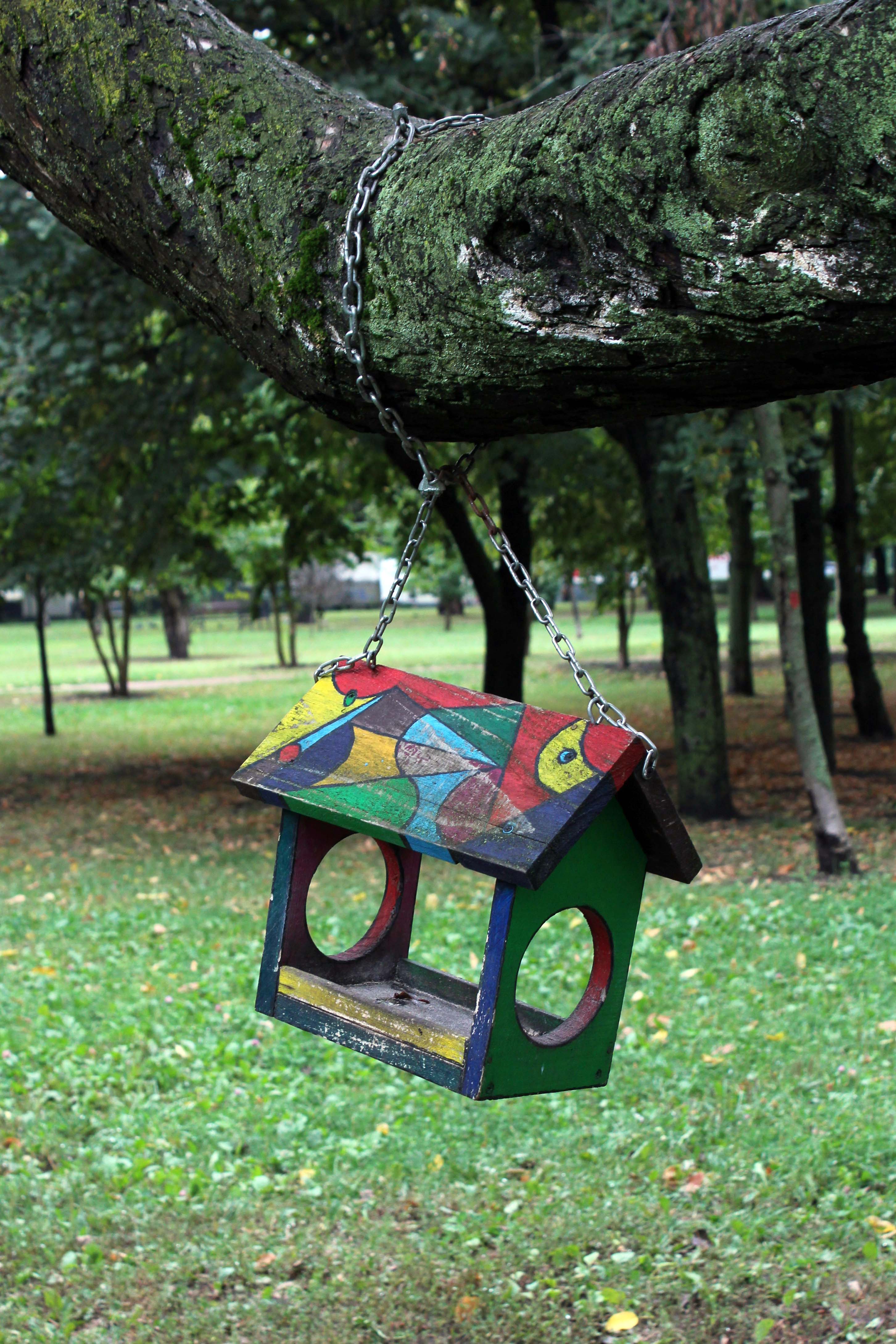
Bird feeders require significant maintenance, with cleaning, sanitising and drying on a regular basis (even daily), to avoid the spread of diseases. Added to that, seeds and other bird food that falls to the ground needs to be frequently cleaned up to avoid an increase in rodents. See the resources section at the bottom of the page for more information, especially the book by Darryl Jones. Search the internet for plans for building bird feeders suited to your local birds in your area.
As a general rule, it is not good to feed minced meat or bread to birds.
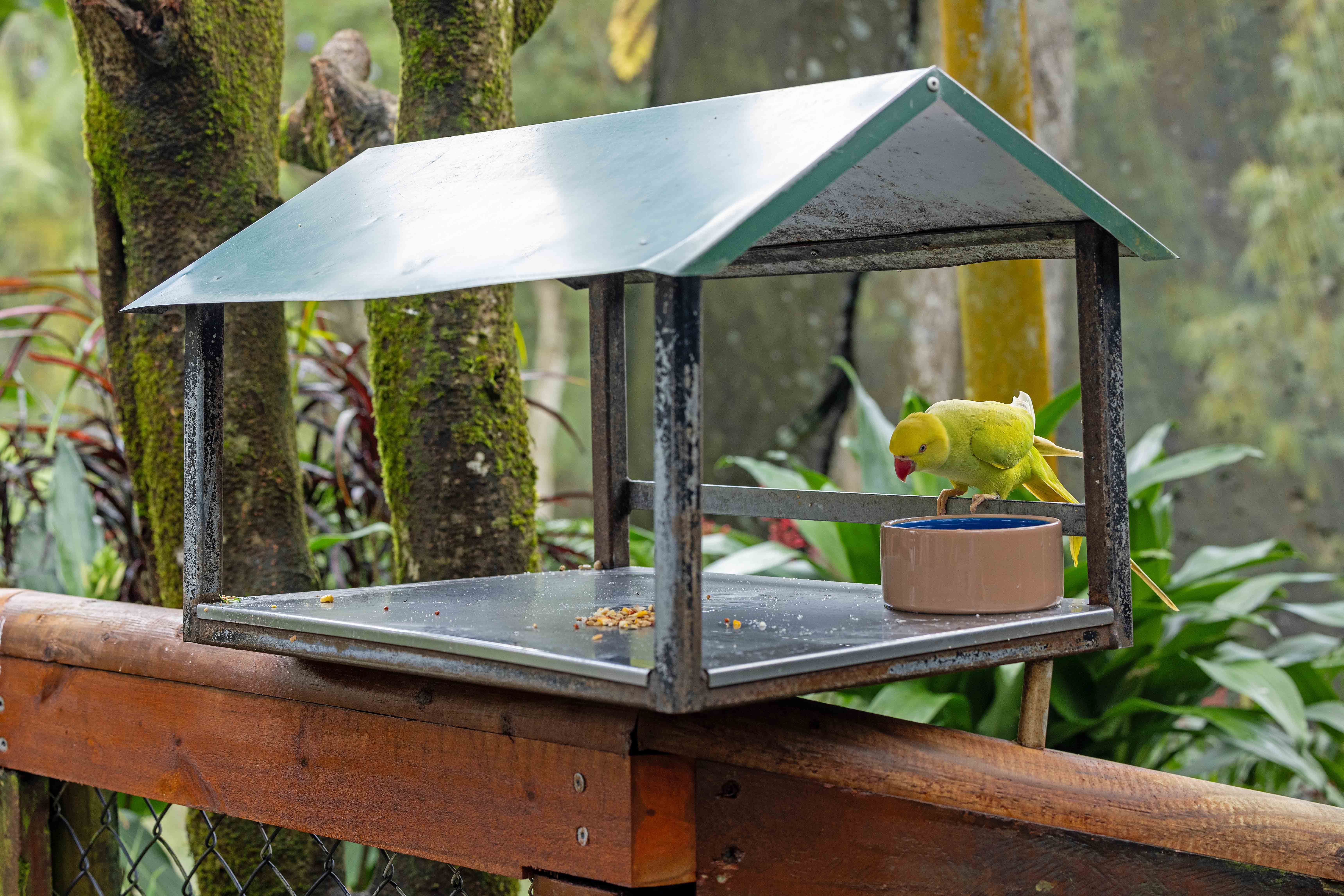
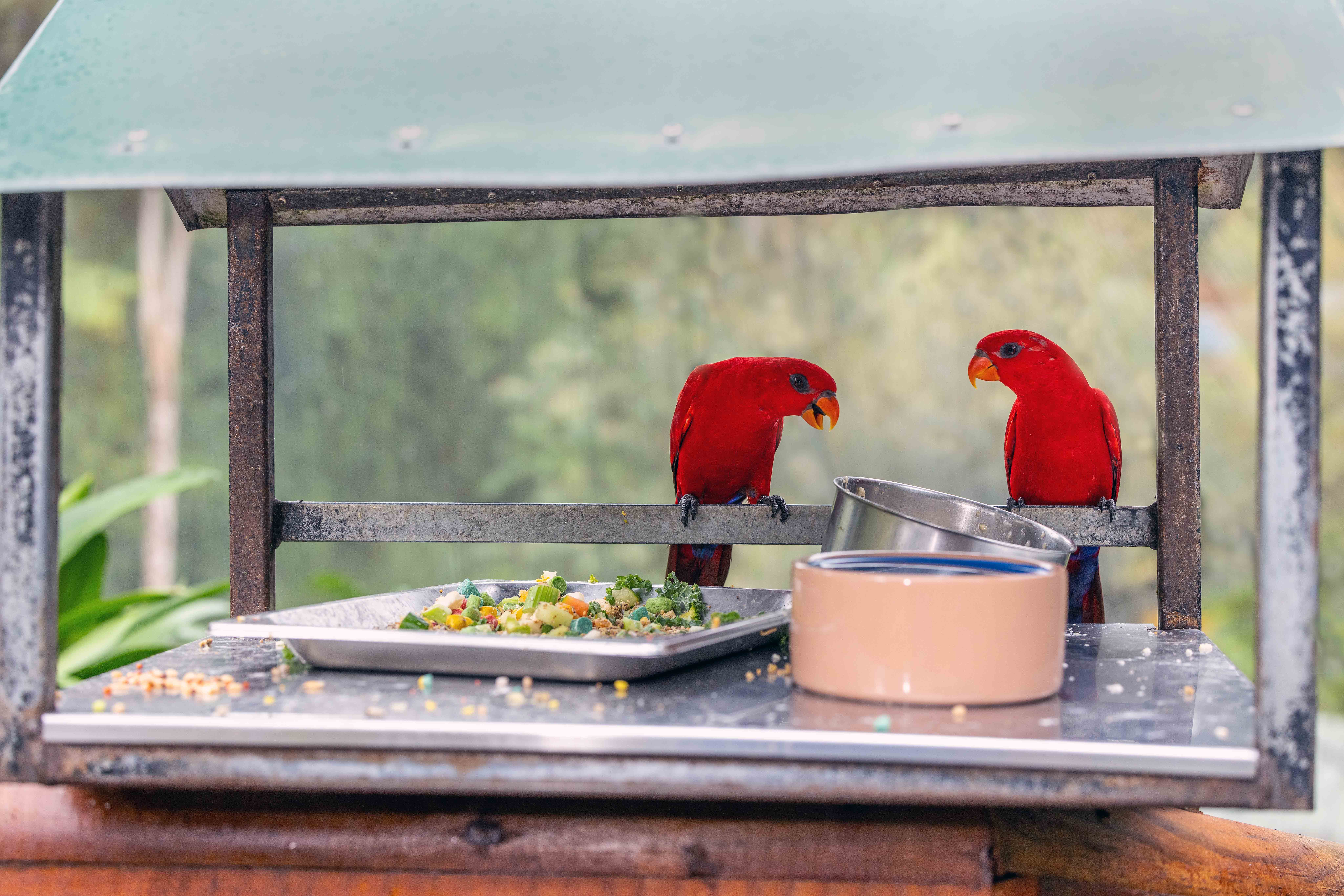
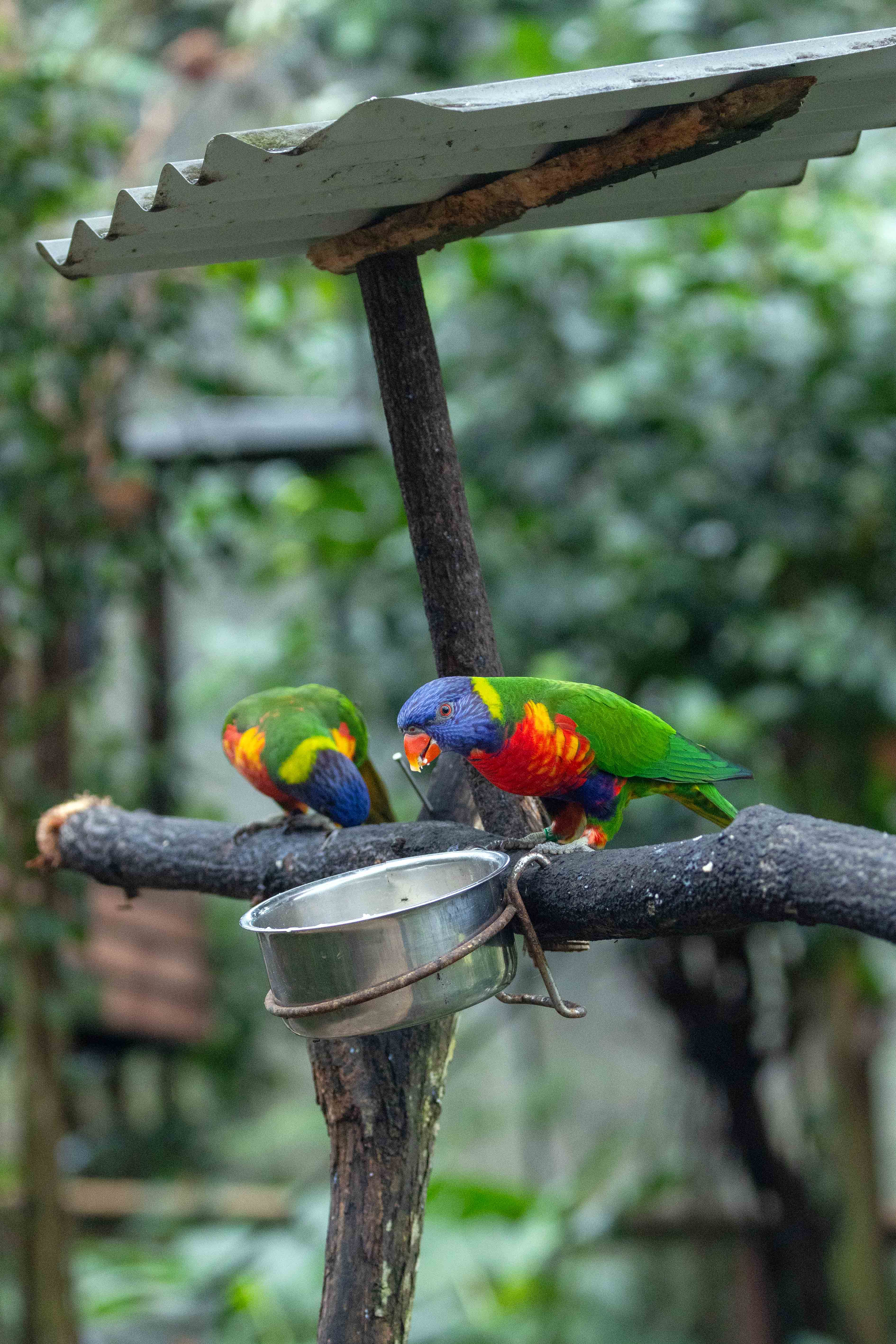
Note the roof to stop the food getting wet, and the smooth surfaces including stainless steel and porcelain rather than wood, for hygiene purposes. A feeder can be made of wood, with a single large porcelain tile on the floor, or possibly a melamine board (but some birds may chew on this).
*
*
*
*
*
Bird nest boxes
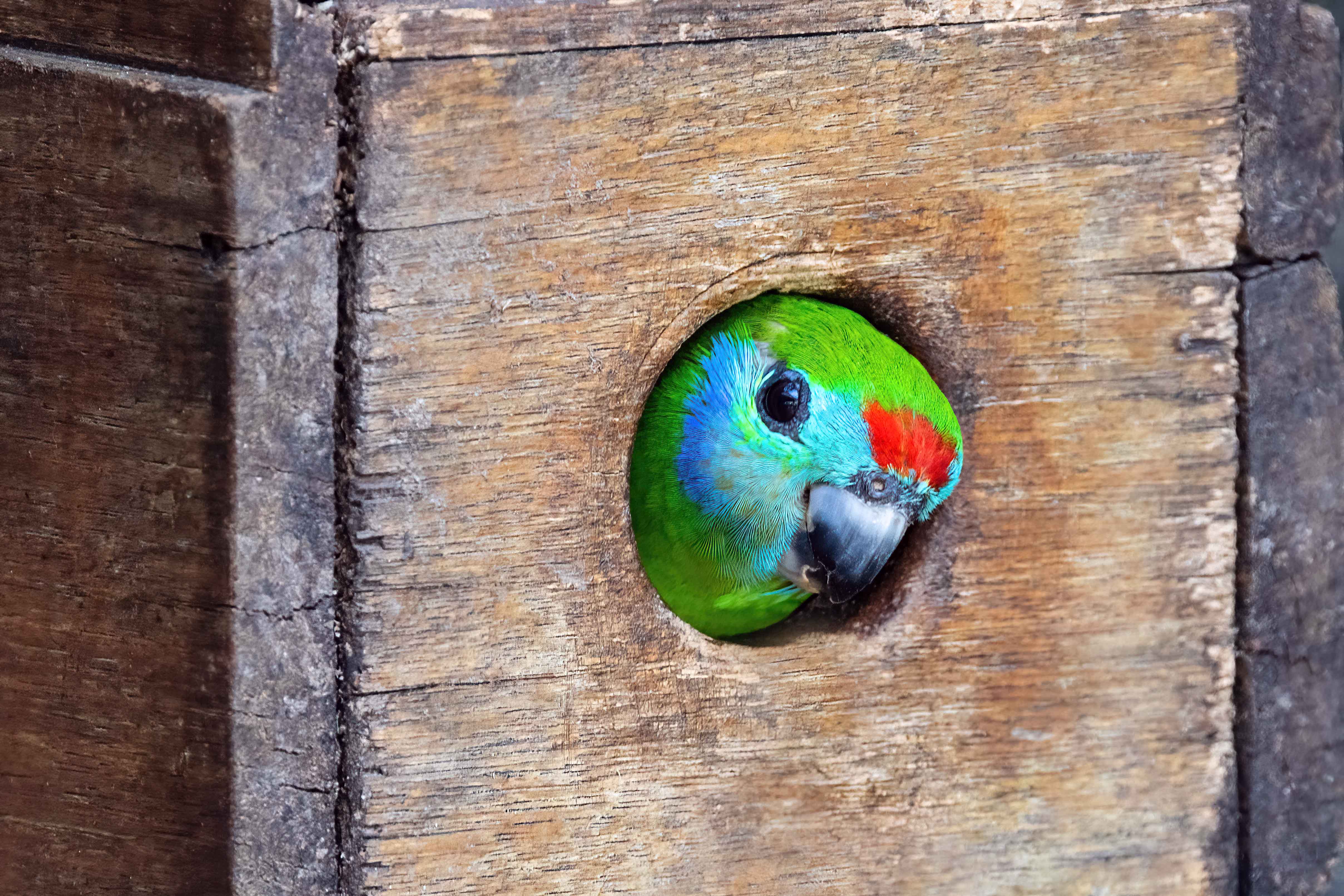
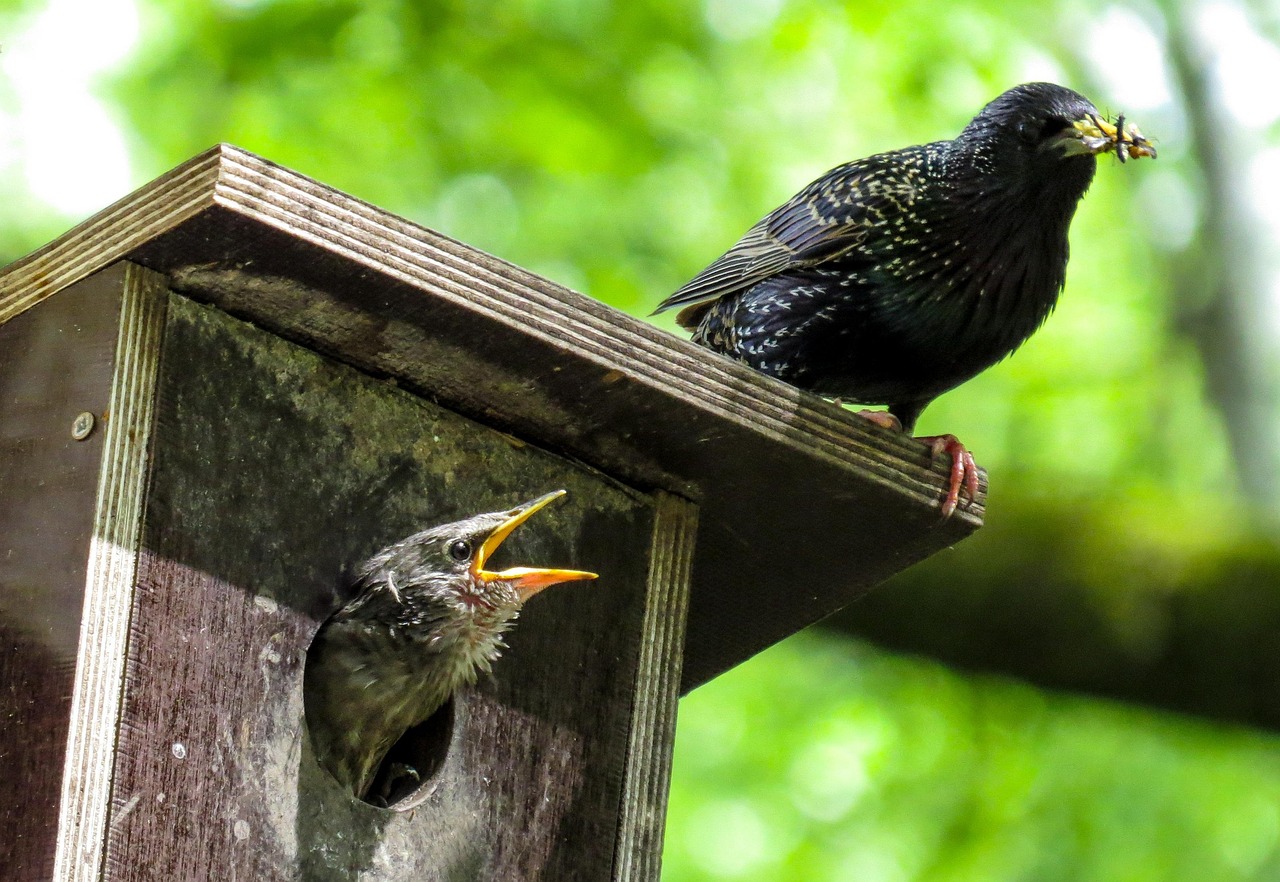
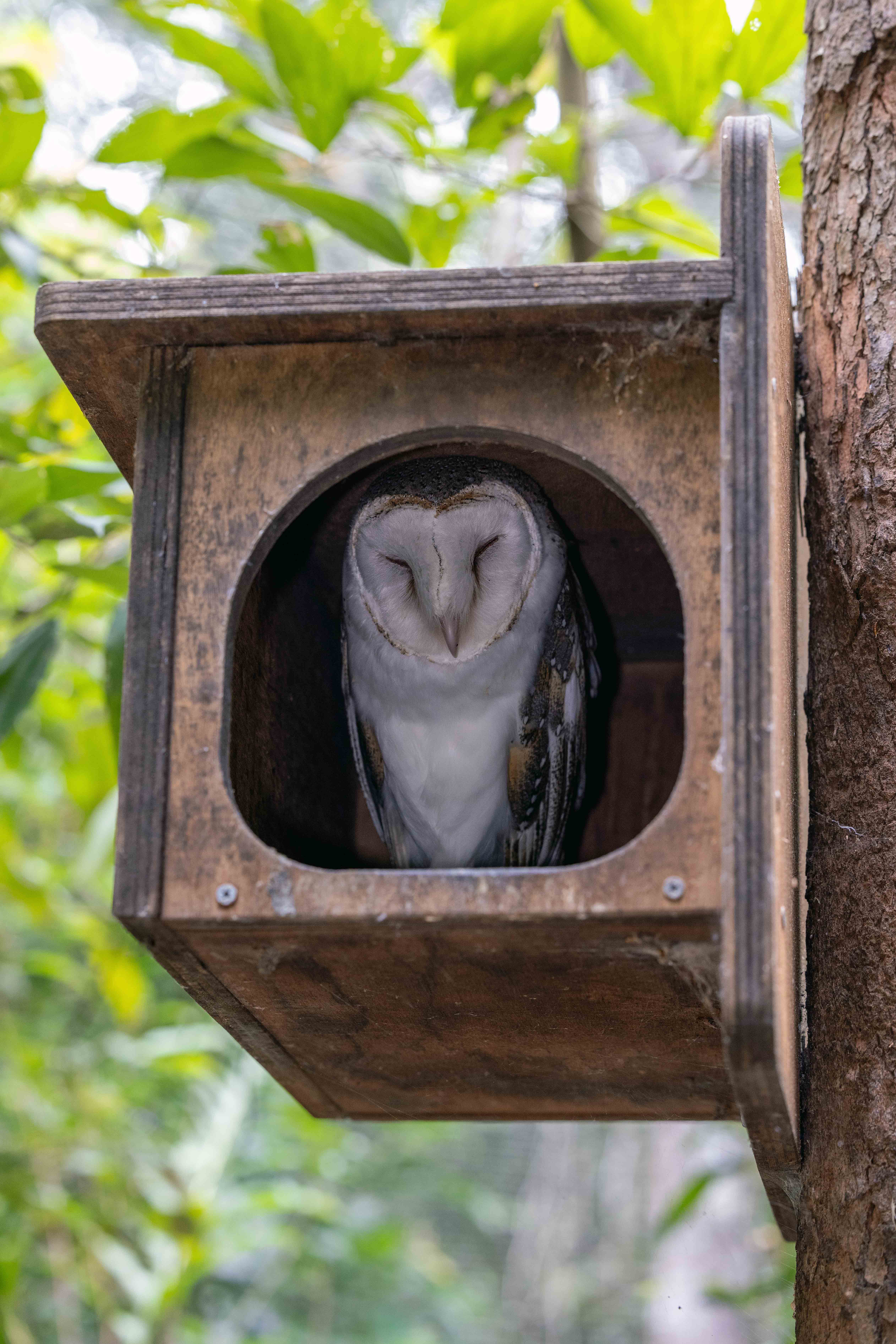
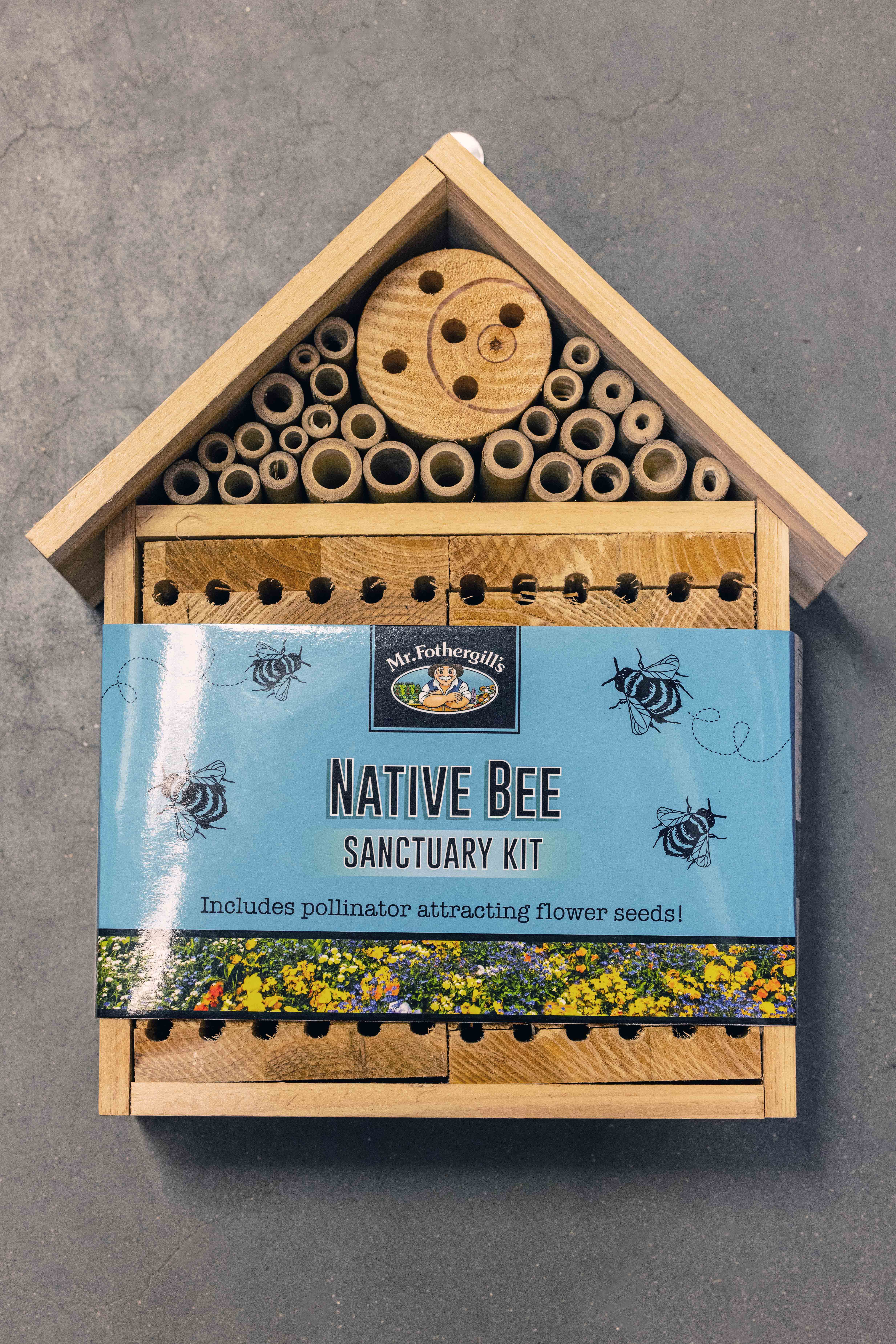
Dimensions for bird nest boxes for various species and locations can be found by searching the internet. Also, grow plants which provide nesting materials.
*
*

*
*
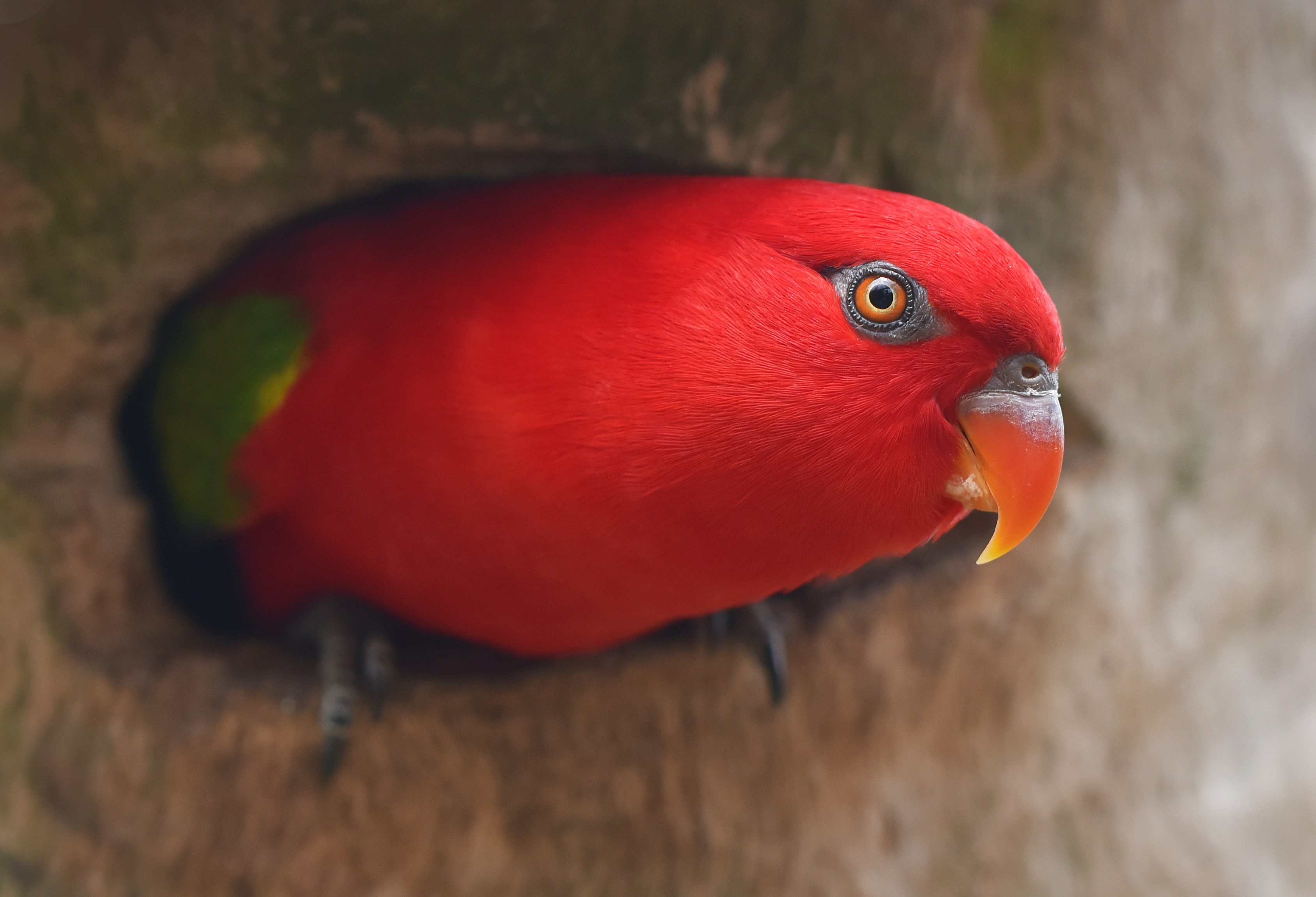
Nest boxes can also be made for bats.
*
Attracting insects
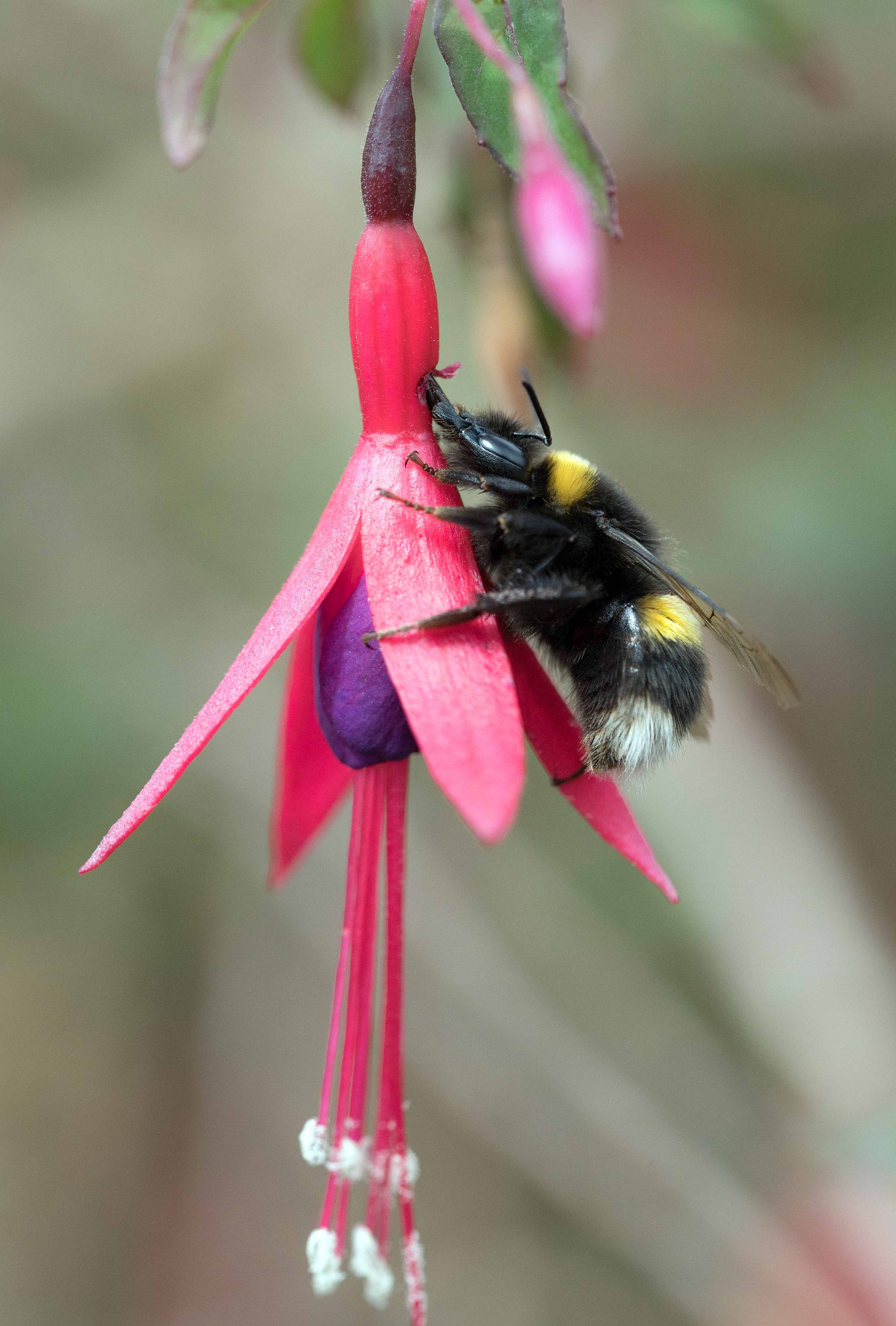
Meadow gardens and cottage gardens in sunny locations are usually good for attracting insects. Plants which produce nectar and flower repeatedly are typically good for insects. Ponds should bring in dragonflies. The insects attracted to the plants, also become food for insect eating birds.
Plants in the Asteraceae (daisy family) and Lamiaceae (mint family) are commonly attractive to bees and other insects.

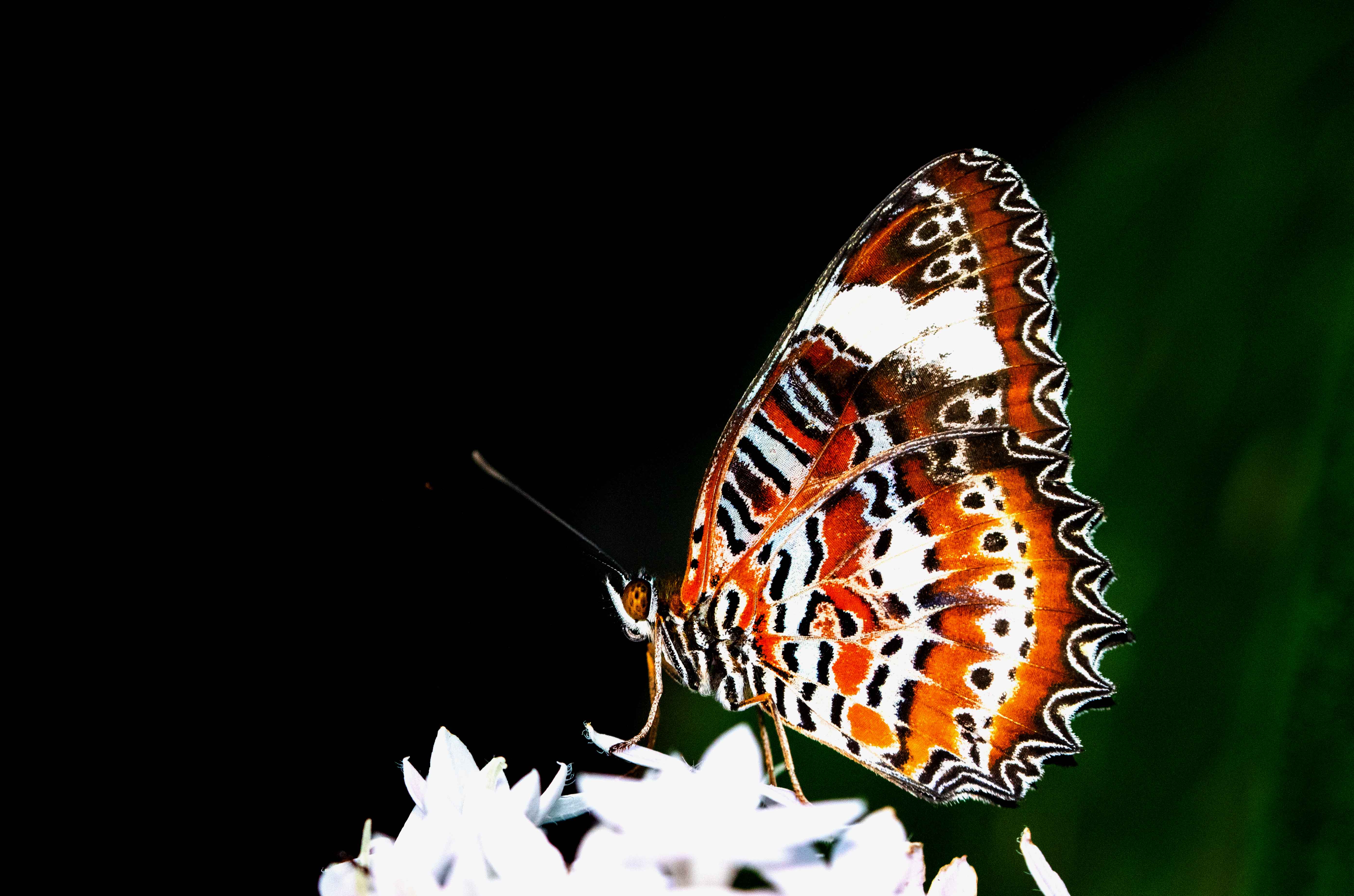
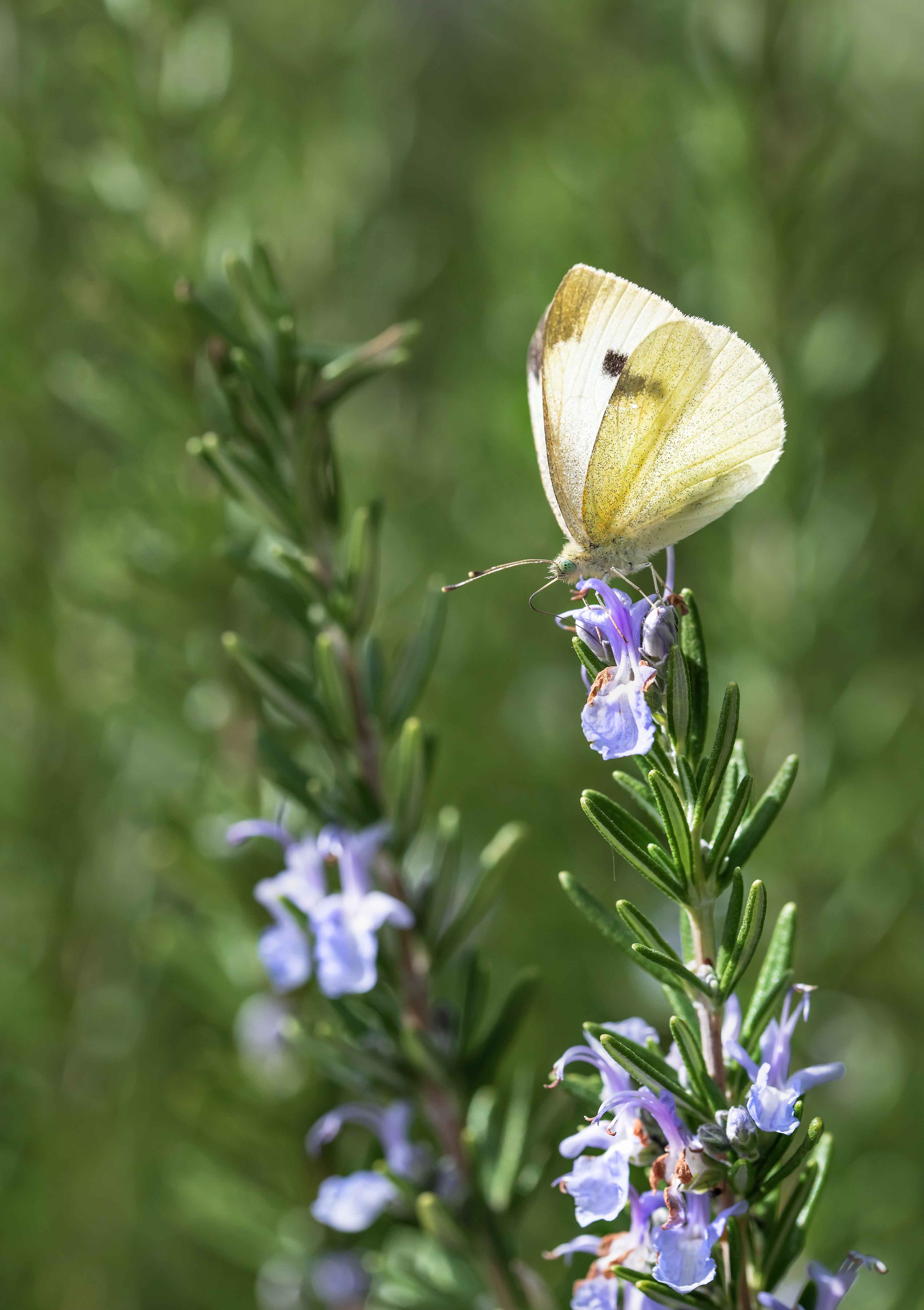
Grow larval food plants for a variety of butterflies and moths.
Grow plants which are favoured by caterpillars, for the birds to eat. Eliminate pesticide use, or at least keep to a minimum, using the least toxic options. While on the subject of what not to do, it is best not to grow plants which are invasive weeds in your area (your local nursery can probably give advice on this topic).
*
*
*
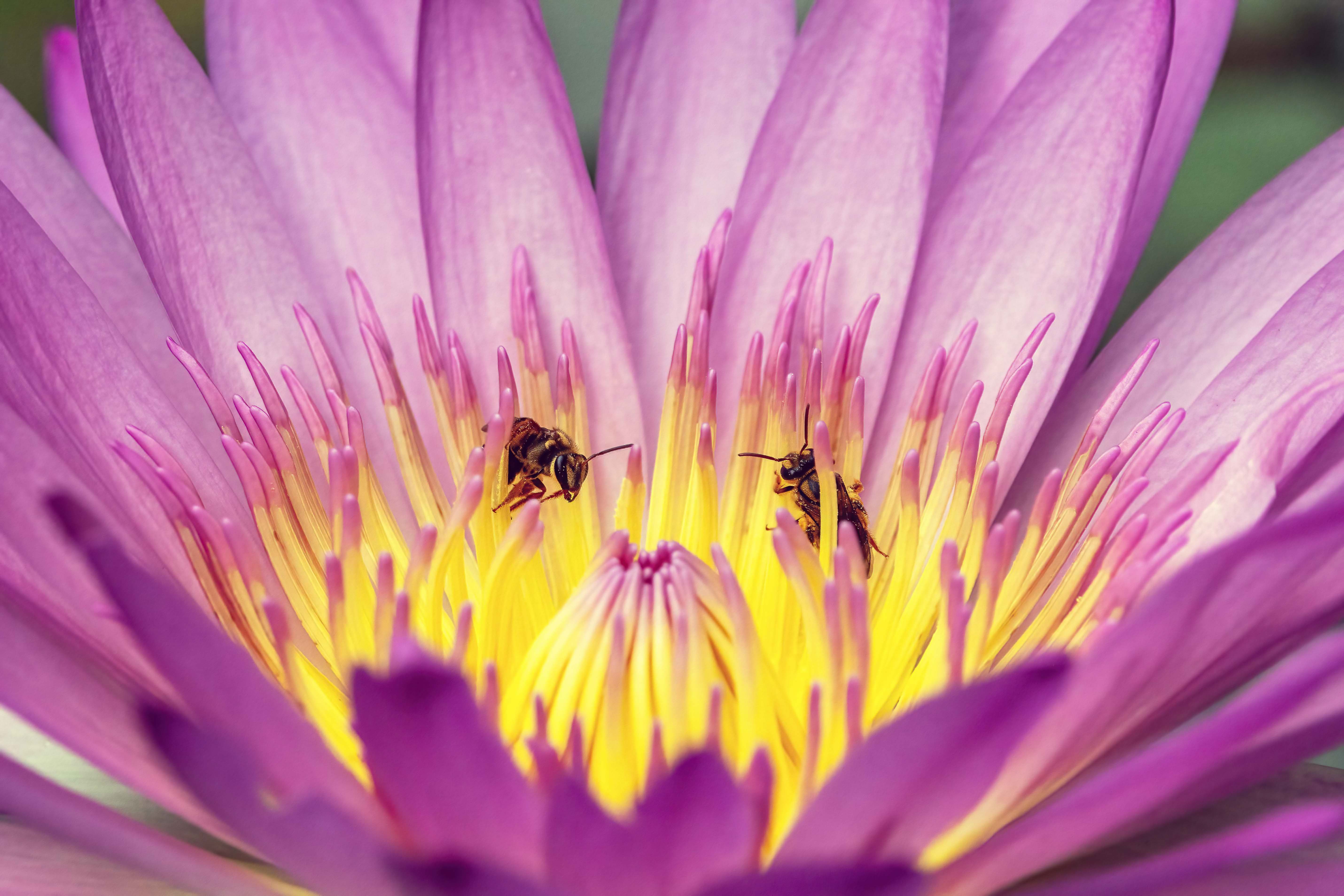
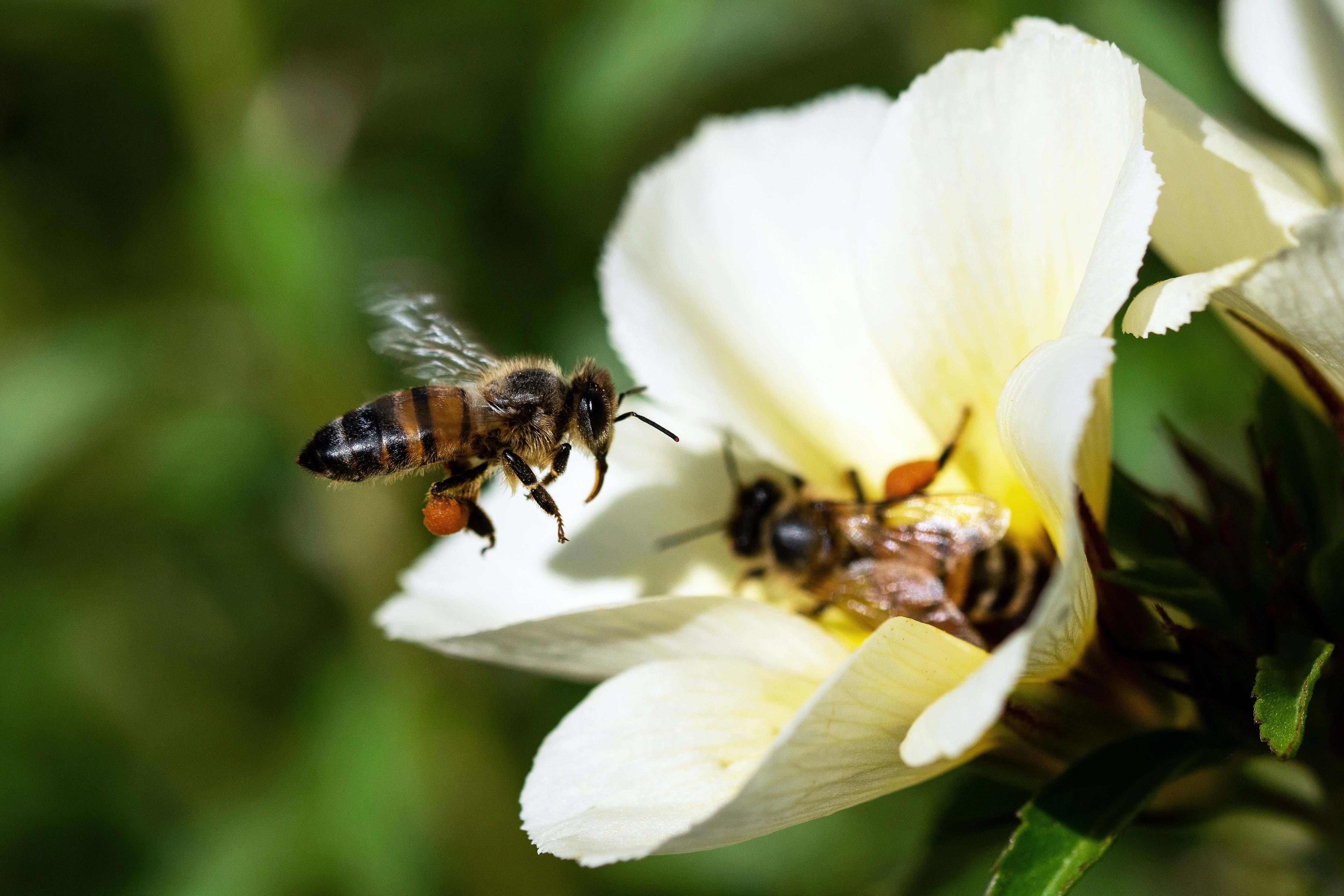
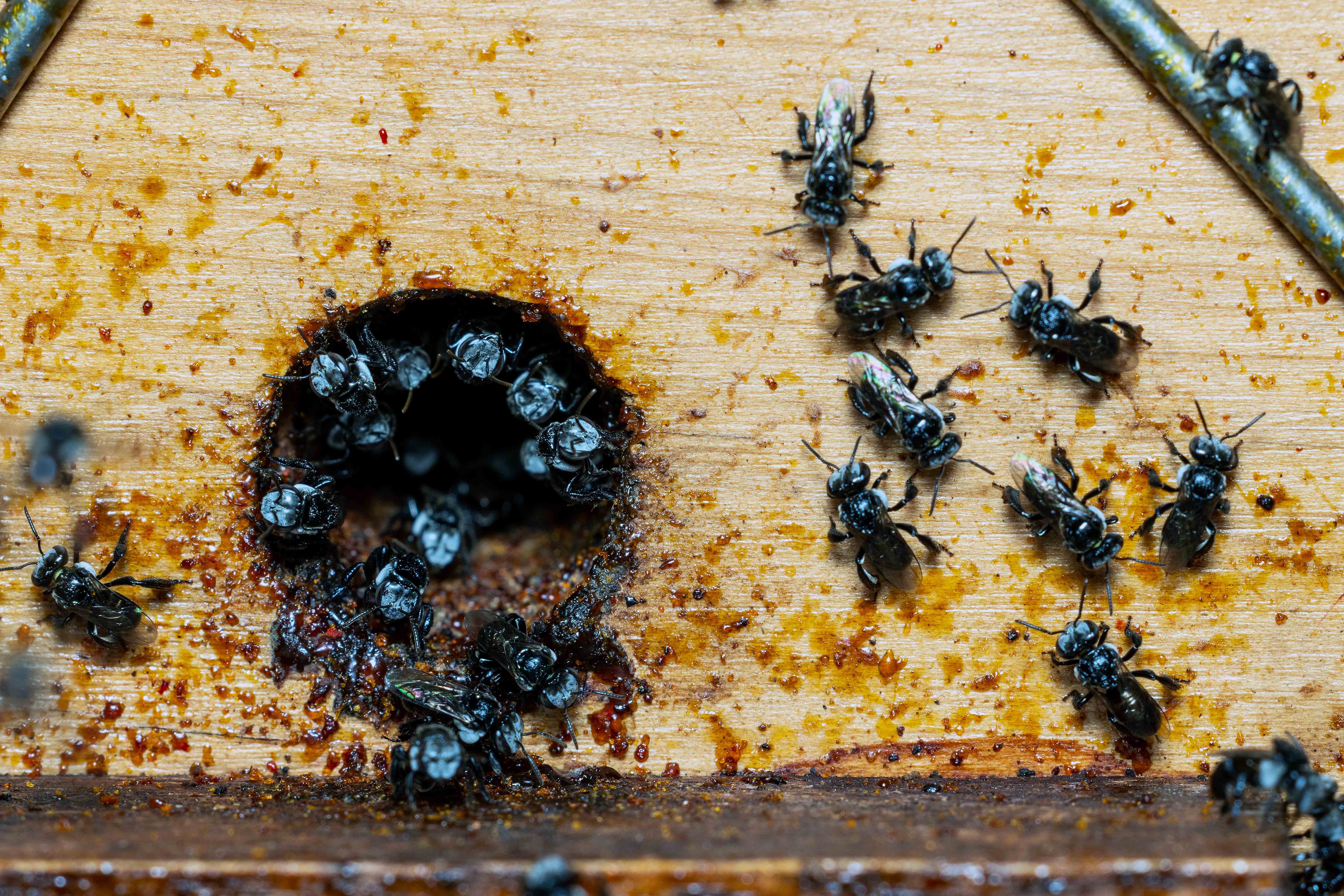
Bees are in decline nearly everywhere and they need all the help they can get. Perhaps get advice from your local nursery about plants that supply pollen and nectar for bees, and which will grow in your area. In cooler climates, many plants that are typically grown in cottage gardens, meadow gardens and herb/vegetable gardens are good for bees. In the tropics, a couple of the best plants are Turnera subulata and Antigonon leptopus.
*
*

*
Garden art and mental health
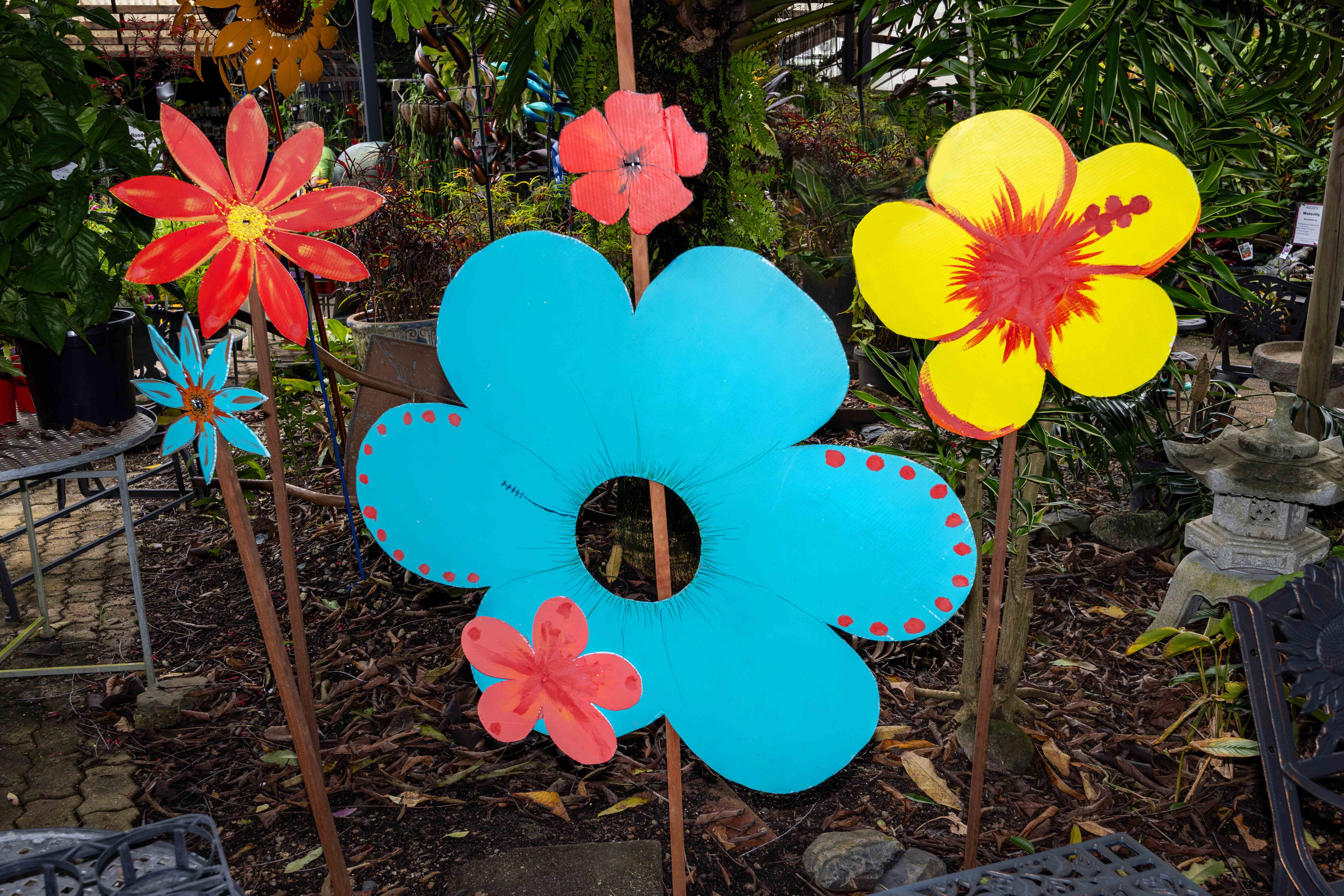
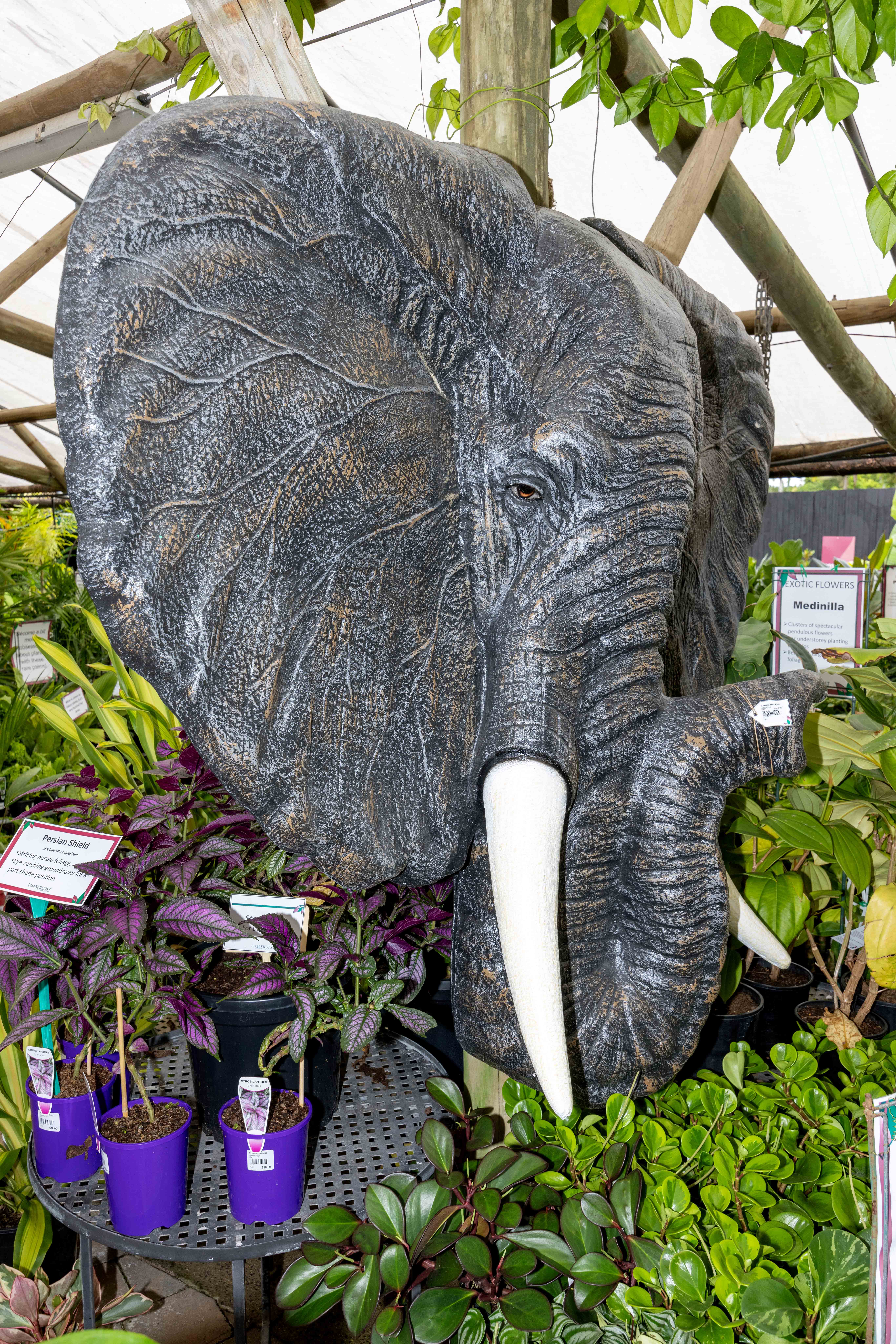
In places such as aged care homes, the opportunity for garden art may be appreciated by some residents. For example using exterior paints for folk art flowers or similar, is achievable for most people, even if they are not particularly gifted at art.
*

*

*

*

*
*
*

*
Garden projects and mental health
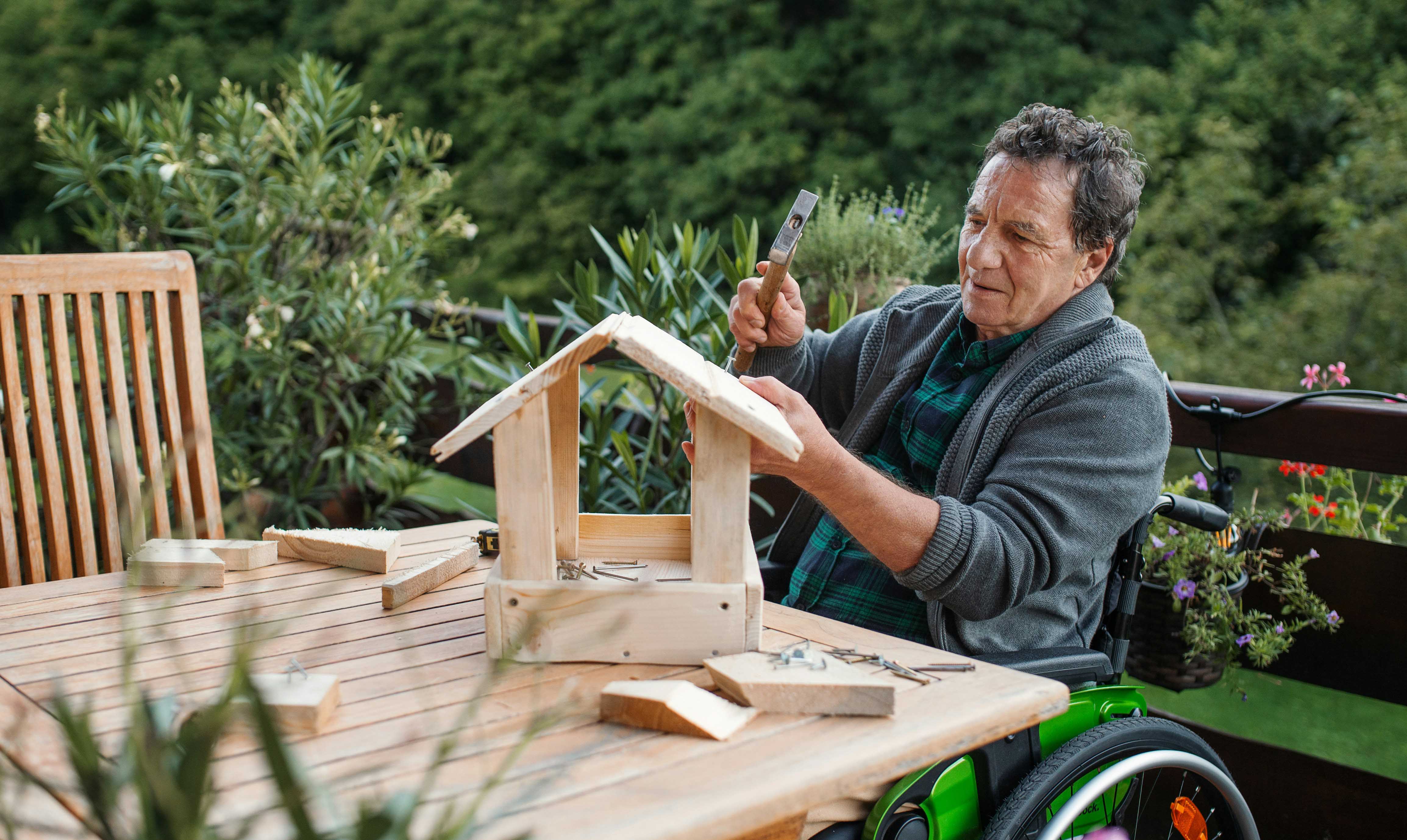
Making nest boxes, feeders, ponds, etc., is therapeutic for some people. There is also potential for pottery, such as making pots and bird baths by hand.
*
*
*
*
*
*
Sights in the garden
Flowers of course, but also foliage with contrasting textures, shapes and colours, add interest to a garden. Also art, sculpture, furniture, pots and planters, rocks, pavers, gravel and drift wood may all have a place.
Sounds in the garden
Birdsong and the sound of running water are stress relieving for the majority of people.
Personally, I think wind chimes are just noisy rather than soothing, but each to their own.
Smells in the garden
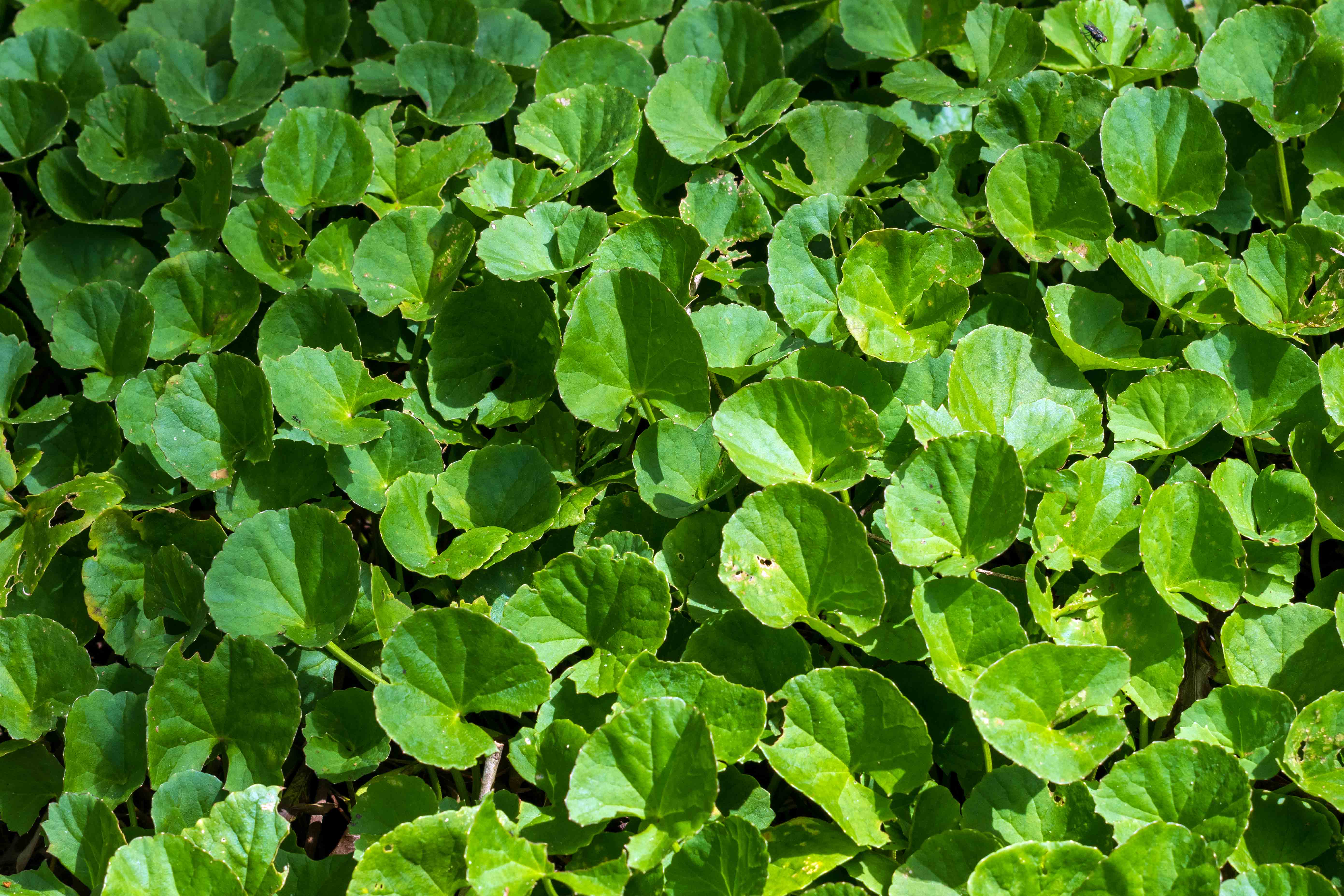
Scented flowers and leaves round out the garden experience. Some plants have scented leaves, but also serve medicinal and culinary purposes. Scented flowers can be cut and brought indoors.
Touch in the garden
Gardens can be full of textures, with rocks, wood, bark and a variety of leaves of different textures. Touch can be important for people with impaired vision.
Taste in the garden
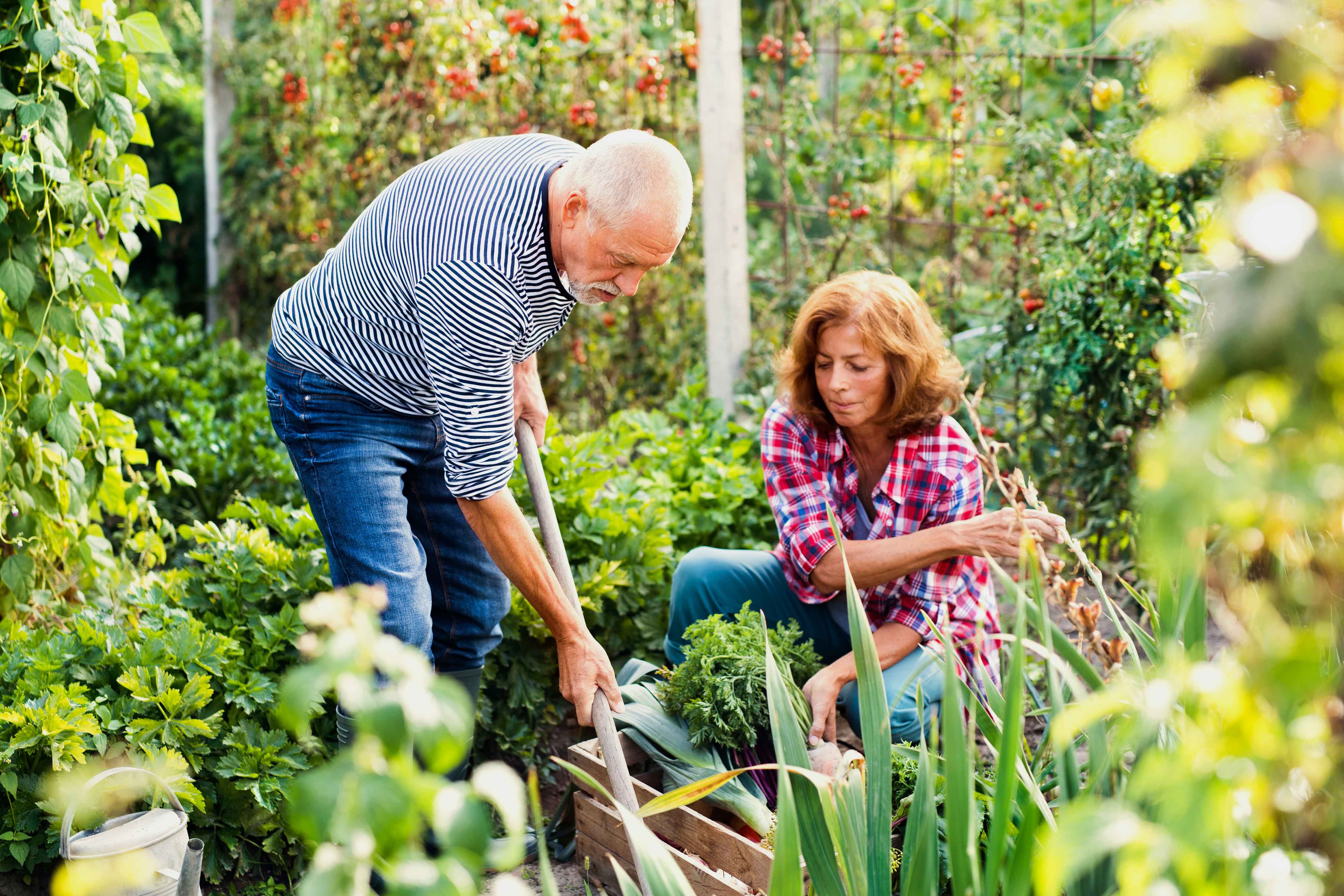
Food plants, ranging from fruit trees and nut trees with their blossoms and fruit or nuts, to vegetables and culinary and medicinal herbs, can serve multiple purposes in a healing garden or therapeutic garden.
It is pleasant to wander in a garden and sample fresh produce…fruit, sugar snap peas, strawberries, cherry tomatoes…..
*
“Even if I knew that tomorrow the world would go to pieces, I would still plant my apple tree”
Martin Luther.
***
Therapeutic gardening resources
Journal:
Journal of Therapeutic Horticulture. AHTA American Horticultural Therapy Association.
Books:
Blanc, P. 2011. The vertical garden: from nature to the city. W. W. Norton & Company.
Cooper, K. 2020. Plant therapy. How an indoor green oasis can improve your mental and emotional wellbeing. Hardie Grant Books.
Hitchmough J. 2017. Sowing beauty: Designing flowering meadows from seed. Timber Press.
Jones, D. N. 2023. Getting to know the birds in your neighbourhood. A field guide. NewSouth Publishing, Sydney.
Jones, D. N. 2019. Feeding the birds at your table. A guide for Australia. NewSouth Publishing, Sydney.
Videos:
There are many helpful videos on therapeutic gardening and healing gardens on YouTube.
Scientific papers:
*
*
*
*
*
*
*
*
*
*
*

*
*
*
*
Thank you for visiting.
David Clode B. App. Sc. (Hort.), Certificate Permaculture Design.
***
 Reforestation.me