
Can Moringa oleifera be made even more nutritious? Yes!
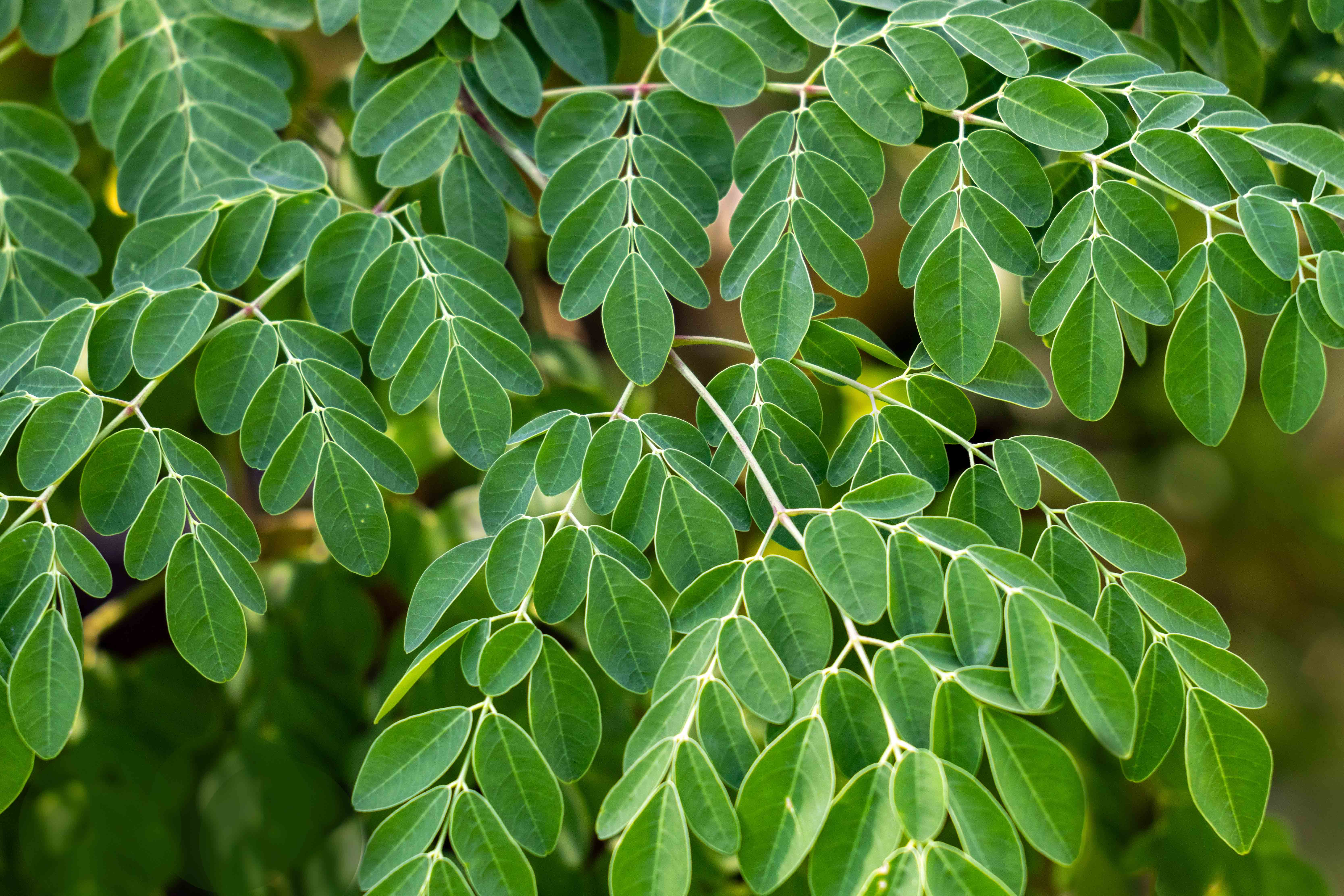
The nutrient and medicinal status of Moringa oleifera can be enhanced with various soil amendments and cultural practices. This improves its already significant benefits for human health, as well as for livestock and pets. Some scientific papers supporting this are at the bottom of this page.
The following suggestions are mainly aimed at growing Moringa in home gardens and small farms. They may not all be practical in larger commercial plantations.
*
*
*
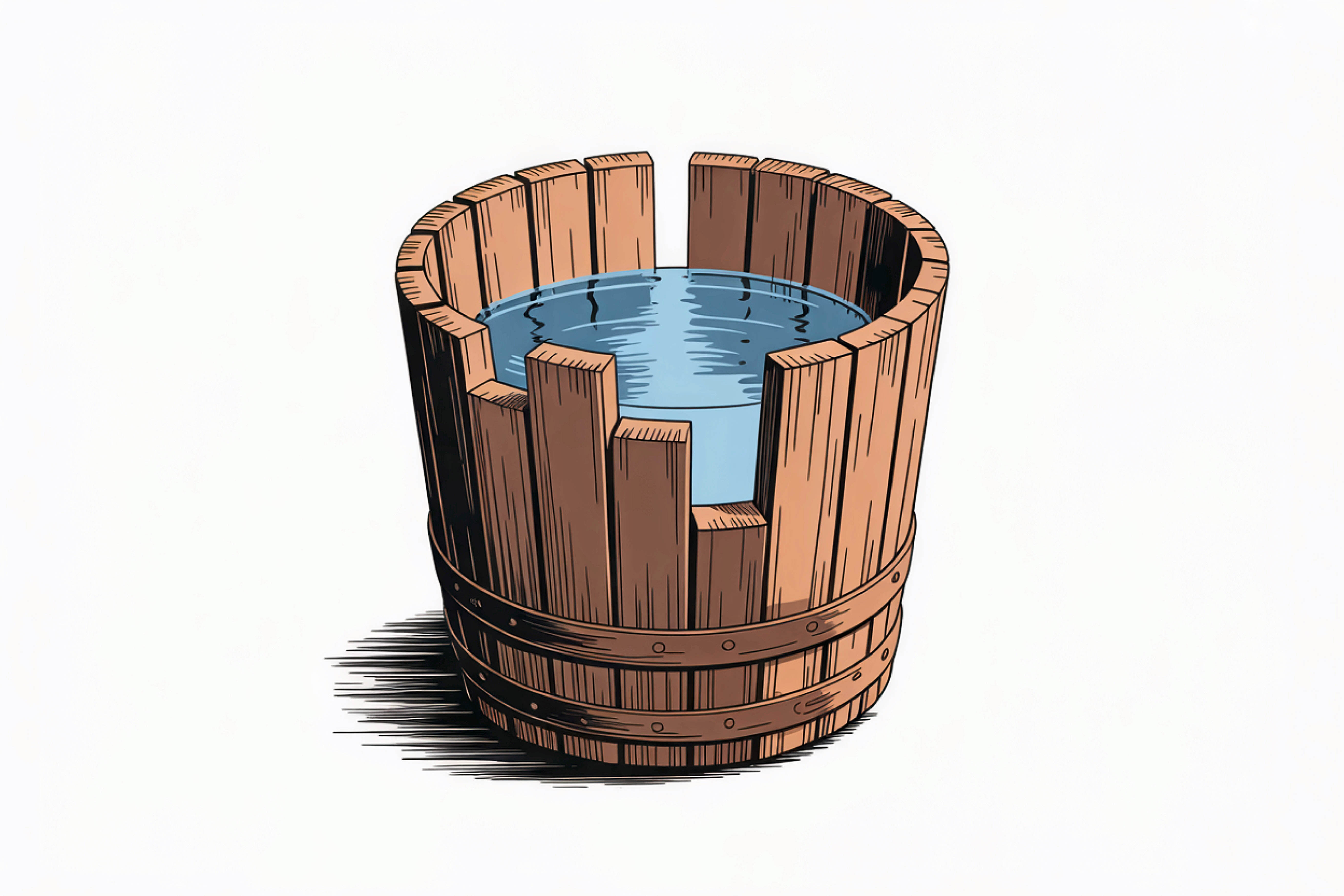
In order for a plant to make a wide range of nutrients and medicinal compounds, at appropriate levels, it needs the full range of raw materials in the form of nutrients, and in adequate amounts. See the diagram below, about Liebig’s Law of the Minimum. In brief, human health may be limited from reaching its full potential, if there is insufficient vitamin C, for example, resulting in scurvy. Also, providing extra vitamin B or D, will not make up for the deficiency in vitamin C. Similarly, for optimal plant growth, adding more nitrogen fertilizer, for example, will not make up for a soil deficient in magnesium.
*
Fertilizers
Research to date indicates that poultry manure is one of the best fertilizers for growing Moringa trees, and poultry manure usually has a wide range of major nutrients and trace elements. This may be enough to get excellent results.
In some research, the next best fertilizer has been found to be cow manure or compost combined with NPK fertilizer, which again may provide sufficient nutrients for good growth and high nutrient status of the leaves and seed pods.
Nevertheless, there are still more soil amendments and cultural practices which can further enhance the nutritional and medicinal status of Moringa leaves, seed pods, etc.
Mulch
Using black plastic mulch to grow Moringa, has been shown in some research to produce by far the highest growth rates, and nutrient content, compared to other colours of plastic mulch, a grass mulch, and a control of no mulch, in that order. This research was carried out in the Eastern Cape in South Africa, which does not have the year-round warmth of the tropics (a warm temperate climate), so it is probable that the black plastic warmed the soil which significantly improved growth rates. In hotter equatorial and tropical climates, it is possible that this warming effect may not be as significant, or could in some cases even be detrimental. See the paper at the bottom of this page.
Other research has shown that the prunings of nitrogen-fixing plants, including Gliricidia sepium and Leucaena leucocephala, work better than non nitrogen-fixing plant mulches. The research showing black plastic to be the best, was comparing it with river grass as a mulch, which would not be nitrogen-fixing and probably had a high carbon to nitrogen ratio, making it a poor quality mulch. Also, A mulch from herbaceous nitrogen-fixing plants, would decompose more quickly (than Leucaena or Gliricidia), and provide nitrogen more rapidly to the moringa trees, potentially increasing growth rates and protein content. Examples of such mulch include lucerne/alfalfa hay, pea straw and cow pea foliage.
Herbaceous legume mulch would require frequent topping up, especially in warm and wet tropical or equatorial climates, making them more costly and labour intensive. A mulch made of high carbon materials, such as wood chips or bark, needs additional nitrogen, otherwise decomposing microorganisms will compete with plants for nitrogen, reducing plant growth. They do, however, last longer.
Mulch also suppresses weeds which would compete with the Moringa trees for water and nutrients. Black plastic mulch would increase soil temperatures, a likely advantage in colder climates or seasons. Mulch retains moisture in the soil and organic mulches moderate soil temperatures. Organic mulches provide nutrients to plants as they decompose, and provide an environment more suitable for earthworms to flourish (cooler, more even temperatures, and more moisture for longer).
Mulch needs to be topped up frequently, and may not be practical for large plantations.
Mulch can be grown on site, and cut and carried. Fast growing plants such as Super Napier grass are best, and could be fertilized with NPK fertilizers to get quick results, and then those nutrients would be made available to the Moringa trees as the mulch decomposes.
Cover crops and living mulches
Prior to planting moringa trees, a cover crop such as Velvet Bean Mucuna pruriens or Jack Bean Canavalia ensiformis could be grown. This would add mulch, add nitrogen, improve soil structure and suppress weeds, but it does mean that the trees get planted later. Nevertheless, the loss of a Moringa growing season should be largely compensated for by improved growth and establishment for years after the Moringa trees are planted or sown in the second season.
As a Moringa plantation gets past its best, a cover crop would be good before the next planting, for the above reasons, but also perhaps to provide a break in the life cycle of possible pests and diseases. There are many advantages to multi-species cover crops/mixed improved fallows. See the page on this web site.
If the Moringa trees are spaced far apart, at two and a half metres/yards or more, as is common for drum stick (seed pod) production, then nitrogen-fixing plants such as cow peas (an annual nitrogen-fixing plant) could be sown in between them in the first year, with little or no root competition, because they would add some mulch when they die, and nitrogen.
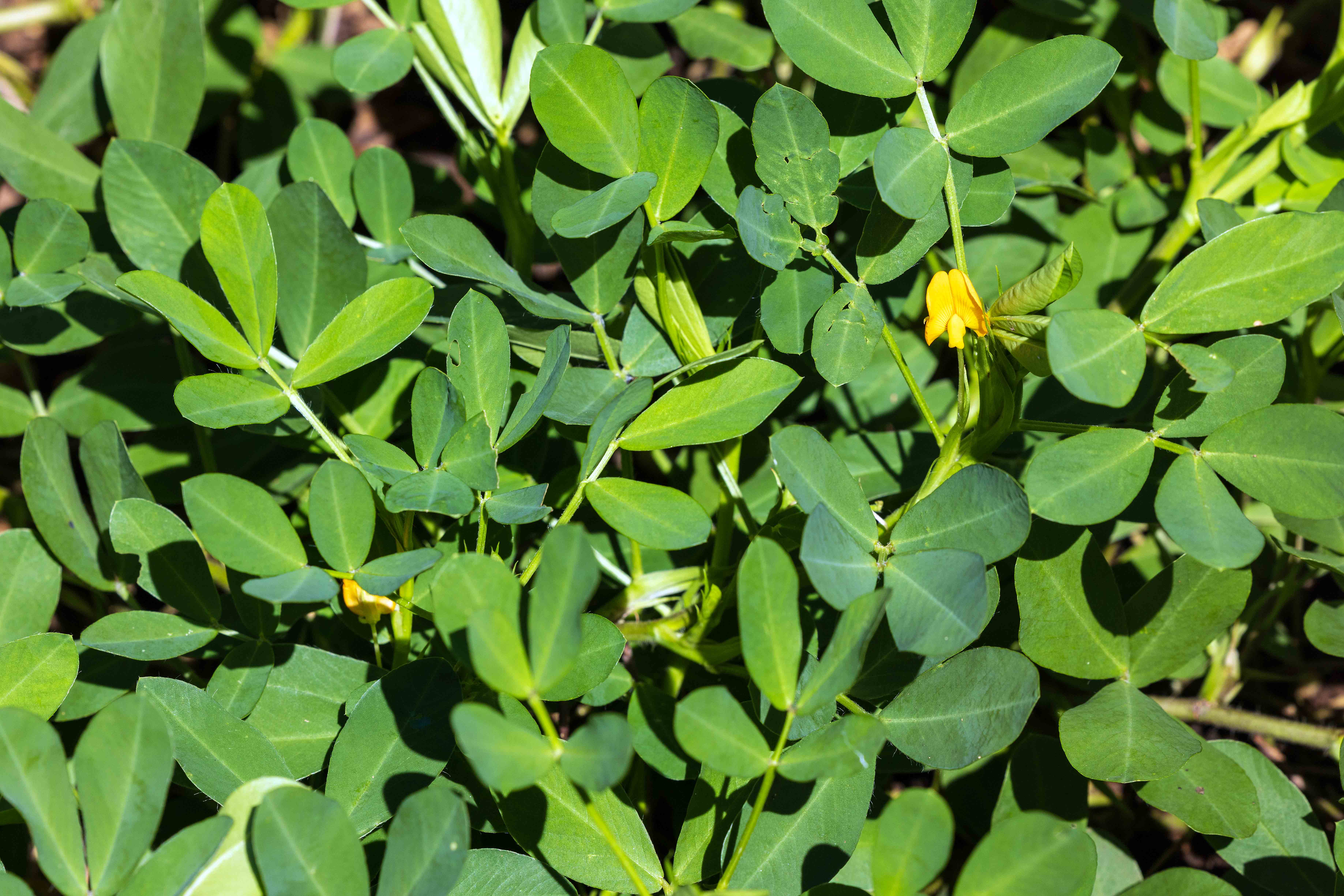
Another option is a permanent groundcover, which would, on the plus side, reduce soil erosion and increase biodiversity and maintain a liquid carbon pathway (continually add carbon to the soil which improves the soil), such as pinto peanut or green leaf or silver leaf desmodium. On the negative side, there is likely to be competition for nutrients and water. Also, the ground cover may be difficult to remove, if so desired. Finally, these plants can be invasive weeds in some areas.
*
*
*
Beneficial microorganisms
Mycorhizzal fungi could be introduced at planting or sowing, as they may help with nutrient and water uptake, increasing growth, nutrient density in plant leaves and seed pods, and the ability to cope with environmental stresses. Beneficial microorganisms can be purchased, but indigenous microorganisms may be best, as practiced in Korean Natural Farming. Adding biochar to a planting hole may help to promote the growth of beneficial soil microorganisms, as well as an organic mulch in a circle or square of about one metre diameter at planting or sowing.
Earthworms
Organic mulches help to increase earthworm populations, with all their attendant benefits. The presence and activity of earthworms is likely to significantly increase the nutrient and medicinal content of Moringa leaves and seed pods. See the Earthworm page on this site.
Kelp and other seaweeds
Seaweed is reputed to contain over 60 trace elements, and so is a good insurance policy to be certain that all the trace elements are in the soil, for the Moringa trees to make all their healthful compounds. Seaweed is also a good source of iodine, which is generally low in Moringa.
Liquid seaweed extracts are available in most countries, and can be added when planting or sowing, and possibly later with irrigation, and also as a foliar spray.
Seaweed can be used mixed with other materials to make compost, but collecting seaweed yourself is illegal in some countries.
pH and rock dusts
Generally speaking, the majority of soil nutrients are most available for plant growth at a pH between about 6 and 7. Fortunately, this range also happens to be the best for Moringa trees. It is relatively easy and cheap to test the soil for pH. A full soil test is of course desirable but likely to be expensive.
If the soil is more acidic than this, possibilities include adding basalt rock dust, combined with dolomite, at planting and at least once a year thereafter. Lime can be used, and may be cheaper, but it is less likely to have a long lasting effect compared to basalt, plus the basalt has a wider variety of minerals. Compared with dolomite, lime only adds calcium, whereas dolomite adds calcium and magnesium. Wood ash can also increase alkalinity in soil and may be freely available.
If the soil is alkaline, then adding lignite (brown coal dust or powder, humates, etc.) may help. If this is insufficient, then add elemental sulphur (sulfur) powder, and perhaps ammonium sulphate fertilizer.
Blood and bone fertilizer and bone char
Bone char provides phosphorus and calcium in a highly available form, and blood and bone fertilizer provides nitrogen and phosphorus in a slow release form.
Wood ash
Wood ash contains various nutrients, including potassium an possibly other nutrients.
Foliar sprays
Liquid seaweed extract and some fertilizer elements such as urea, selenium and zinc can be applied as a foliar spray.
*
*
Cost and Convenience
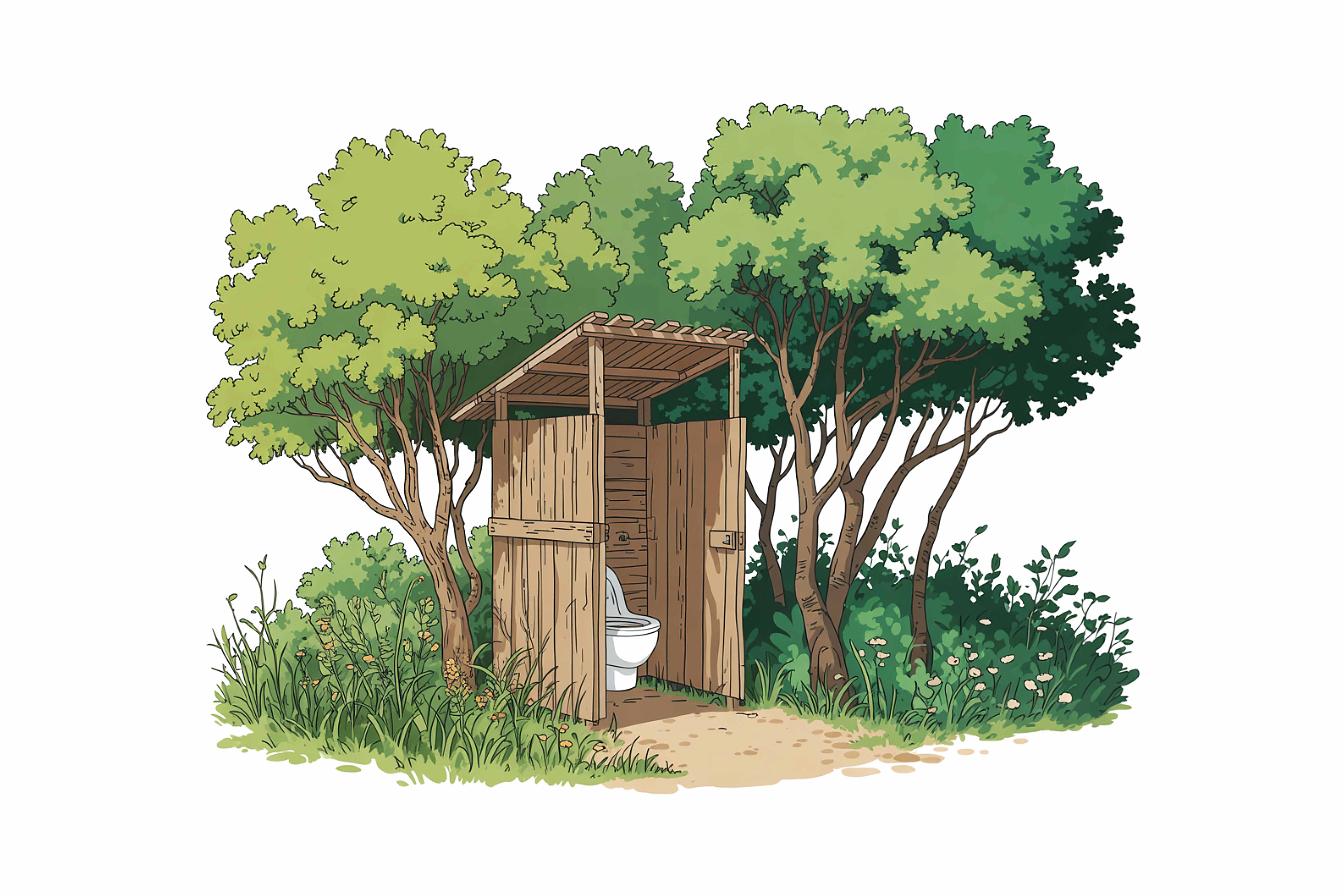
Where poverty or availability excludes the possibility of buying fertilizers, human manure and urine could be added to planting holes. If there is reluctance to eat Moringa products where human manure is used, then the Moringa products could be used for animal fodder.
For home gardens in more affluent societies, there may be relatively expensive but convenient chicken manure pellet fertilizer available. I am not trying to sell anything, but the fact is that I have used Yates Dynamic Lifter (in Australia) with excellent results. There is a formulation which includes chicken manure, fish meal, blood and bone, and seaweed, which should supply all the nutrients needed by Moringa trees, plus some organic matter. There may be a similar product in your country.
Some negative considerations
It is always wise to seek the advice of a doctor or other health professional before consuming Moringa products.
People on medications for low blood pressure, hypothyroidism, or have hemochromatosis, for example, should probably not consume Moringa products.
With hypothyroidism, taking medication early in the day to allow for absorption, and Moringa late in the day may be OK, but again, I am not a medical doctor, so seek professional medical advice.
Moringa leaves may contain phytates and oxalates which could have negative health effects. Phytates interfere with the absorption of iron and zinc, so Moringa may not actually be as effective for iron absorption as it is generally thought to be.
As far as I am aware, Moringa oleifera is not an invasive weed anywhere.
*
*
*
*
Research papers and resources
*
*
*
*
*
*
Trees for Life International.
*
Thanks for visiting.
David Clode B.App.Sc (Hort.). Melbourne University. Certificate Permaculture design.
***
 Reforestation.me